By Christine Fennessy
Turning a brain scan into useful scientific or clinical insights can require researchers to move data through a lengthy sequence of specialized software tools—each handling a different step in the analysis.
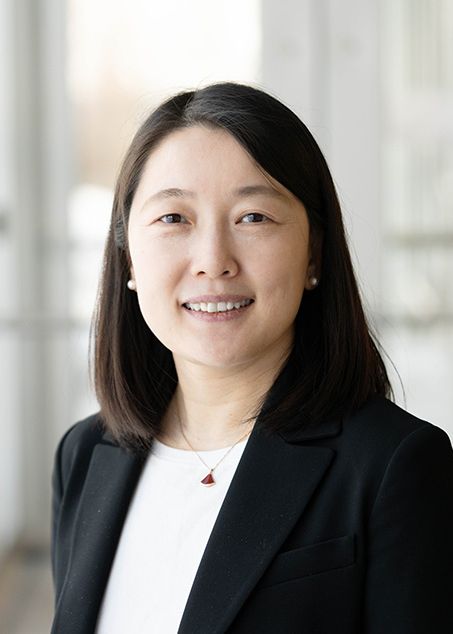
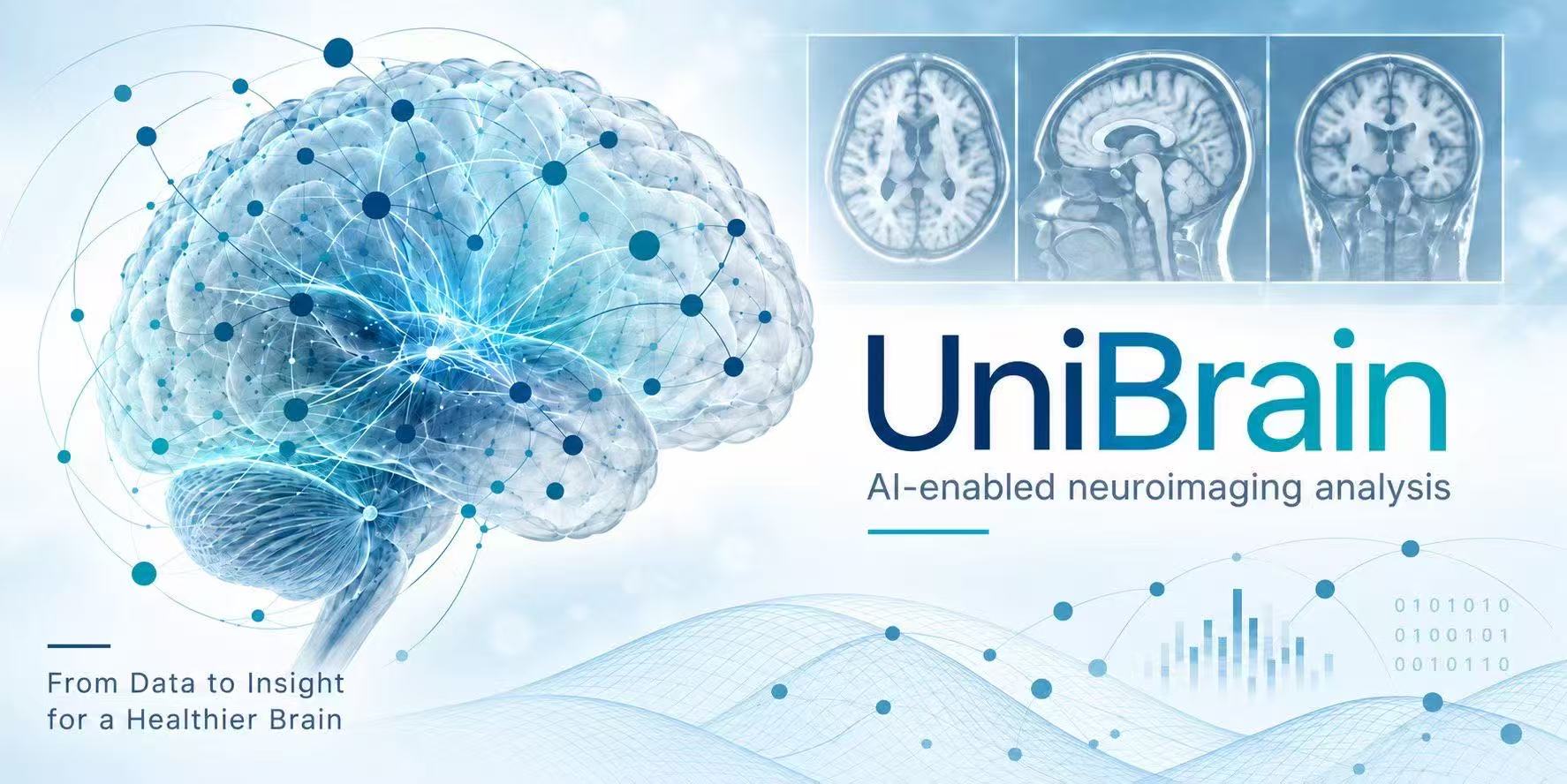
Lifang He, associate professor of computer science and engineering at Lehigh University, and her team recently received a four-year, $2.8 million grant from the National Institute of Biomedical Imaging and Bioengineering to develop UniBrain, an AI-enabled platform designed to bring the neuroimaging analysis pipeline into a single, unified system.
The grant supports a multi-institutional collaboration led by He at Lehigh, Xiang Li at Massachusetts General Hospital/Harvard Medical School, Carl Yang at Emory University, and Liang Zhan at the University of Pittsburgh. Other collaborators include Lichao Sun, assistant professor of computer science and engineering at Lehigh, as well as Quanzheng Li, Randy Hirschtick, Daniel Barron, Boadie Dunlop, and Ying Ding.
Simplifying complex neuroimaging workflows
Many conventional brain imaging workflows handle each task—such as image registration, segmentation, feature extraction, and disease prediction—as a separate step, often requiring researchers to move data among multiple specialized software packages. For large datasets, that process can take weeks or even months, creating a significant barrier for clinicians and scientists without advanced computational training.
UniBrain aims to unify image preprocessing and downstream brain network analysis while integrating complementary information from multiple imaging modalities. The team’s preliminary results indicate that a unified deep learning model can make the process more efficient while matching or improving the performance of conventional workflows.
Expanding access to advanced AI tools
The team is also developing an agentic AI version of UniBrain that would provide a ChatGPT-like interface for brain imaging analysis. Researchers and physicians could upload raw MRI data, ask questions in plain language, and have the system automatically preprocess and analyze the data, generate interpretable results, and produce reports highlighting imaging biomarkers potentially associated with disease.
By bringing these capabilities into a single platform, UniBrain could accelerate research while making sophisticated AI tools accessible to physicians and scientists without requiring advanced programming expertise. It could also help researchers identify subtle imaging biomarkers associated with neurological disorders that might otherwise be overlooked.
Building UniBrain requires expertise well beyond computer science. The team behind it includes radiologists, neuroscientists, bioengineers, and AI researchers. Together, they contribute expertise in brain imaging, data harmonization, and clinical validation.
“This is a very ambitious project,” she says. “We’re developing and deploying new AI tools to do the analysis while rethinking the entire neuroimaging analysis process from start to finish within a unified platform. We need experts in many fields working together to solve problems of this scale.”
The long-term vision for UniBrain is to create a unified AI platform that takes researchers seamlessly from raw brain scans to interpretable insights and scientific discovery—all within a single system.
“This represents the next generation of AI for scientific discovery,” she says, “and it could help scientists make discoveries that weren’t possible with earlier tools.”
About Lifang He
Lifang He is an associate professor of computer science and engineering in Lehigh University’s P.C. Rossin College of Engineering and Applied Science. She earned her bachelor's degree in computational mathematics from Northwest Normal University and her PhD in computer science from South China University of Technology. Before joining Lehigh, she held postdoctoral research appointments at the University of Pennsylvania's Perelman School of Medicine and Weill Cornell Medical College. Her research focuses on machine learning, deep learning, data mining, tensor analysis, and biomedical informatics.
About Lichao Sun
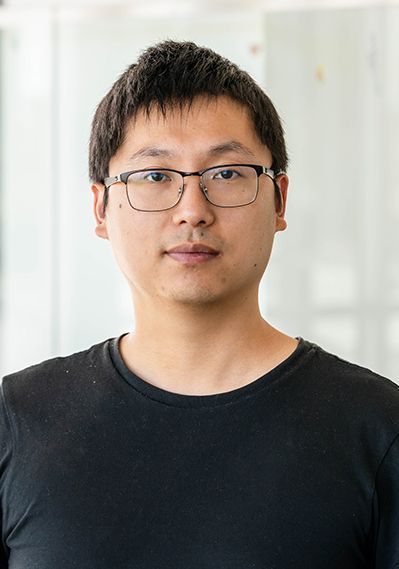
Lichao Sun is an assistant professor of computer science and engineering in Lehigh University’s P.C. Rossin College of Engineering and Applied Science. He earned his bachelor’s and master’s degrees in computer science and engineering from the University of Nebraska–Lincoln and his PhD in computer science from the University of Illinois Chicago. His research focuses on artificial intelligence security and privacy, particularly addressing vulnerabilities and protecting sensitive information in AI systems.