
Student(s): Kavya Famolari
Project: Investigating the Effects of Polypeptide Length and Salt Concentration on Complexation of Nucleic Acids
Advisor(s): Whitney Blocher McTigue
Abstract
Nucleic acid-based therapies, including vaccines and gene therapies, are limited by their reliance on cold chain infrastructure, thus creating challenges to global access. Electrostatic complexation between polypeptides and nucleic acids offers a strategy for stabilizing fragile cargo. These complexes arise from the attractions between oppositely charged nucleic acid phosphate groups and poly-L-lysine amine groups. Their stability is governed by parameters within their aqueous environments that dictate whether resulting complexes form coacervate droplets or solid precipitates. In this study, we investigate how poly-L-lysine chain length and nucleic acid size and structure affect the stability and morphology of complexes. Poly-L-lysine chains of five lengths were combined with three nucleic acids: dsDNA, sheared dsDNA fragments, and baker’s yeast tRNA. The resulting complexes were analyzed through turbidity, microscopy, and salt resistance studies. Turbidity measurements revealed that all systems peak complexation near a 0.5 charge fraction, but longer PLK chains resulted in high turbidity readings across a wider range of charge fractions. Salt resistance studies showed that complexes with longer PLK chains and nucleic acids persisted at higher salt concentrations, reflecting stronger polymer-polymer interactions. Our results highlight how polyelectrolyte length and structure together determine phase behavior and salt resilience, ultimately informing the design of therapeutic drug delivery systems as a step toward relieving the dependence on the cold supply chain.
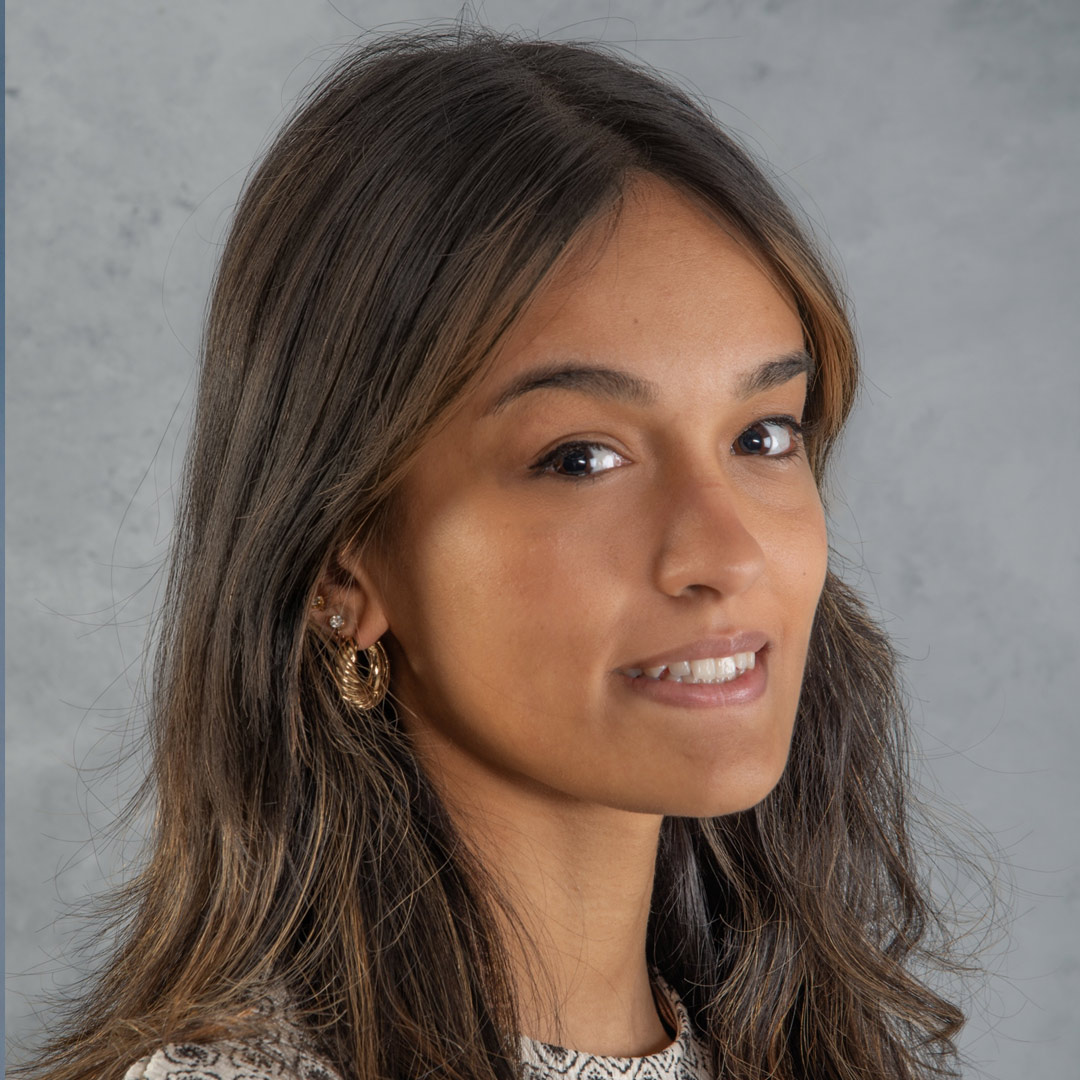 About Kavya Famolari
Major: IDEAS
Kavya Famolari is a second year IDEAS student studying Bioengineering and Molecular Biology with a minor in Health Policy. She has been conducting research in the Blocher McTigue Lab for over a year through the Rossin Research Scholarship program. She has had the opportunity to present her work at the 2025 AIChE National Conference and 50th Annual Lehigh Polymer Science Engineering Symposium. Previously, she has conducted research as a Global Social Impact Fellow in Sierra Leone, focusing on improving barriers to antenatal healthcare. Additionally, she serves the local community as an EMT and ER Technician and plans to pursue a career in emergency medicine. She hopes her work will contribute to the stabilization of nucleic acids based therapies and increase access to life-saving vaccines globally. She is from Clinton Township, NJ and outside of academics enjoys spending time with family, enjoying the outdoors, and photography.