

Ivan Haidutski/Stocksy
 Features · Fall 2026
Artificial intelligence research at Lehigh aims to improve the technology’s reliability, efficiency, and responsible use while accelerating discovery and expanding what scientists and engineers can accomplish
In only a few years, artificial intelligence has become a pervasive presence in everyday life. It has accelerated scientific discovery, reshaped industries, and prompted universities to rethink how they conduct research and educate students. Yet for all that AI can already do, we are still in the early stages of understanding its potential—and its limitations.
“AI is happening so fast, it brings to mind the image of building the bridge as you’re walking across it, or constructing the airplane as you’re trying to fly it,” says Larry Snyder, Harvey E. Wagner Professor in Industrial and Systems Engineering and Lehigh’s deputy provost for faculty affairs. “There is still so much of the technical, ethical, economic, and legal foundation of this technology that the world has not really thought through.”
Those gaps in the foundation are what make this such an important moment for universities. While some researchers are harnessing today’s AI tools to tackle problems in healthcare, manufacturing, and infrastructure, others are working to improve the algorithms that underpin the technology itself—making AI more accurate, efficient, and useful.
Lehigh is contributing to both efforts. “We have people who are making contributions that are both useful and valuable,” says Brian Davison, Daniel E. ’39 and Patricia M. Smith Professor and chair of the Department of Computer Science and Engineering. “And we’re constantly adjusting and learning from our experiences, and from each other, on how to maximize the value of AI.”
Across the Rossin College, research teams are developing new methods to make AI models more reliable, uncovering patterns in biomedical data, streamlining scientific research, and tackling complicated engineering problems with the technology. Their work is aimed at both improving artificial intelligence itself and expanding what engineers and scientists can accomplish with it.
Reasoning under pressure
For decades, artificial intelligence researchers have pursued the goal of creating machines capable of reasoning through difficult problems. The emergence of large language models (LLMs) has brought remarkable advances, but also new challenges. Today’s AI systems are highly capable, yet they still make mistakes, misunderstand human intentions, and reason inconsistently when faced with complex, multistep problems.
These problems define the work of Hector Muñoz-Avila, professor of computer science and engineering and director of I-DISC, Lehigh’s Institute for Data, AI, Society, and Computation (which was recently renamed to bring artificial intelligence to the forefront of the institute’s identity). His research currently centers on three projects aimed at ensuring that AI systems produce results that are correct, reliable, and consistent with human expectations.

Hector Muñoz-AvilaChrista Neu
“LLMs like ChatGPT, Claude, and Gemini work really well, and I’m an avid user of generative AI,” he says. “But I also know that their reasoning is not always reliable, particularly on complex problems, and they can produce incorrect solutions.”
The first of his projects addresses a persistent challenge in AI: planning.
“While today’s LLMs excel at generating text, they still struggle at planning,” he says. “Especially long-horizon planning, when they have to plot multiple steps that result in something happening in the future.”
Instead of asking an AI system to solve a complicated problem all at once—planning a route from New York City’s Port Authority Bus Terminal to San Francisco, for example—Muñoz-Avila’s team uses an AI agent to break the task into smaller tasks through a process called a hierarchical decomposition. The agent might first ask the language model how to get from the bus terminal to the New Jersey Turnpike before moving on to the next leg of the journey. The model handles the smaller tasks individually, reducing the margin for error, while the results are combined into a complete plan.
The approach combines modern neural-network-based language models with decades of symbolic AI built on logical reasoning. By blending the two, the team hopes to produce systems that are both scalable and dependable.
A second project, conducted in collaboration with the U.S. Naval Research Laboratory (NRL), explores what Muñoz-Avila calls “moral agents.”
“For the longest time, researchers thought agents should do what we tell them to do,” he says. “But now, with generative AI, they’re so capable that sometimes we don’t want the agent to comply because the user may be asking it to do things that have unintended consequences.”
As a hypothetical example, an instruction to deliver a package as quickly as possible might cause an autonomous drone to choose a route through restricted airport airspace. The request isn’t malicious, but blindly complying with it could create a dangerous situation.
Muñoz-Avila’s team is developing AI agents that combine reasoning with symbolic rules about safety, privacy, and other ethical constraints. As it carries out a task, the agent evaluates alternatives and can reroute, replan, or even deviate from the request if necessary. (For a broader look at how researchers are thinking about the long-term direction and responsible development of AI, see “Thinking Bigger About Computing.”)
His third project, also in collaboration with NRL, addresses the orchestration of multiple AI agents working together to complete a task. If a user is planning a trip, for example, one agent might book the flights, another the hotel, and another the activities. Each might perform its assigned task correctly, but without effective coordination, the pieces may not fit together.
Muñoz-Avila’s research explores ways for these agents to communicate, synchronize their decisions, and work together toward the user’s overall goal safely and effectively. A botched vacation is one thing; the stakes are considerably higher when multi-agent systems are deployed in the defense, transportation, or energy sectors.
Still, Muñoz-Avila sees plenty of reason for optimism. “I find it very empowering,” he says. “Yes, there are big, important problems that need to be solved, but those problems also open up new worlds of fascinating research. It’s an exciting time to be pursuing these ideas, and I actually think this is the best time to work in computing and engineering.”
A unified view of the brain
From raw brain scans to scientific insight—in one unified system.
Brain imaging has become an important tool for detecting and studying brain changes associated with neurological diseases such as Alzheimer’s and Parkinson’s. In many conventional workflows, however, researchers must prepare the data through a lengthy series of preprocessing steps that often require multiple software packages and programming languages as well as specialized expertise.
To streamline the process, Lifang He, associate professor of computer science and engineering, and her team are developing UniBrain, an AI-native platform designed to unify the neuroimaging analysis pipeline within a single system.
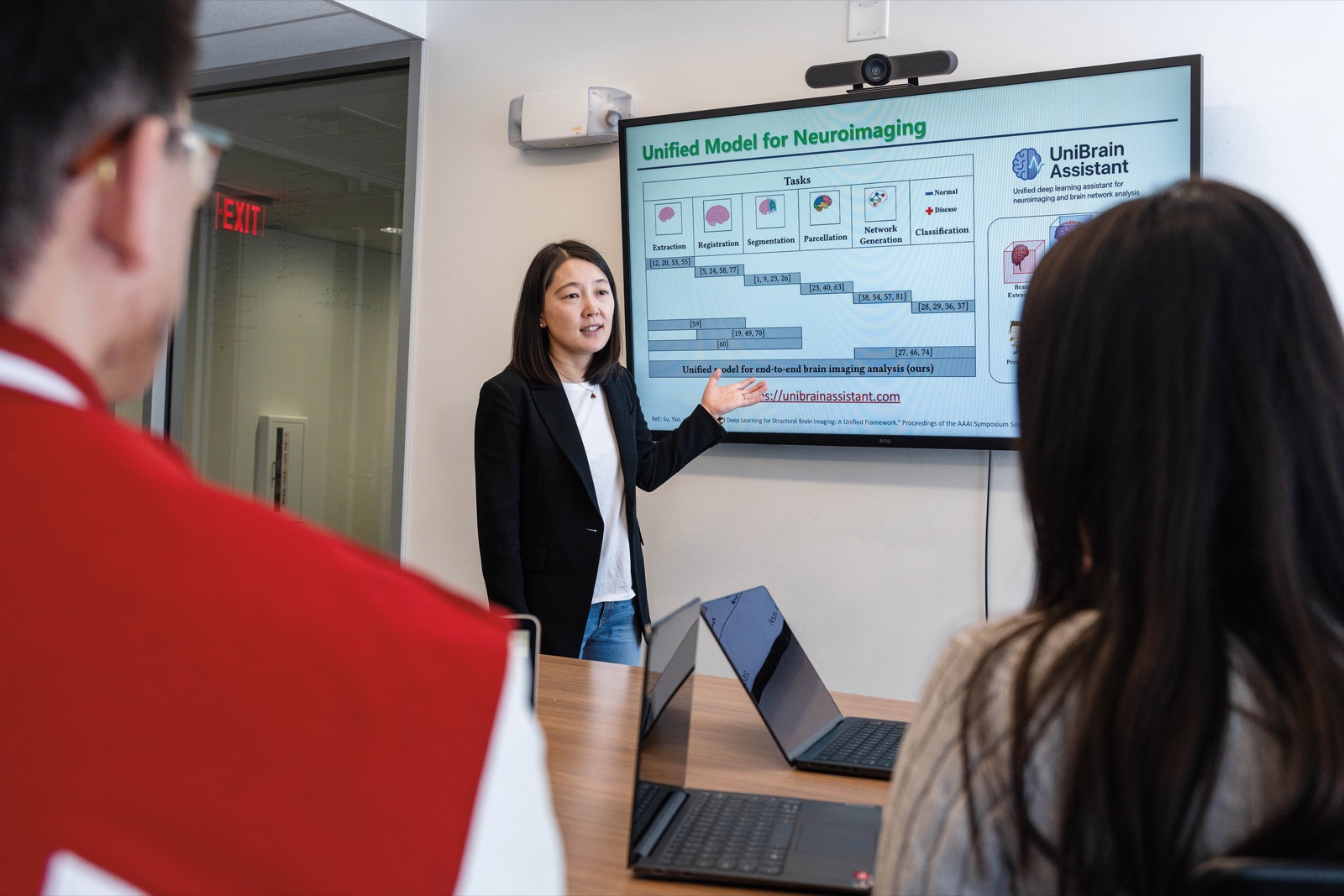
Lifang HeChrista Neu
“We’re not just applying existing AI tools to do the analysis,” says He. “With UniBrain, we’re developing and deploying new ones while rethinking the entire neuroimaging analysis process from start to finish within a unified platform.”
Many conventional brain imaging workflows handle each task—such as image registration, segmentation, feature extraction, and disease prediction—as a separate step, often requiring researchers to move data among multiple specialized software packages. That process can take weeks or even months for large datasets and creates a significant barrier for clinicians and scientists without advanced computational training. Her team’s preliminary results indicate that a unified deep learning model can make the process more efficient while matching or improving the performance of conventional workflows.
The team is also developing an agentic AI version of UniBrain that would provide a ChatGPT-like interface for brain imaging analysis. Researchers or physicians could upload raw MRI data, ask questions in plain language, and receive automated preprocessing and analysis, along with interpretable results and AI-generated reports highlighting imaging biomarkers potentially associated with disease.
Such a system could accelerate research while making sophisticated AI tools accessible to physicians and scientists without requiring advanced programming expertise. It could also help researchers identify subtle imaging biomarkers associated with neurological disorders that might otherwise be overlooked.
UniBrain requires expertise well beyond computer science. The team behind it includes radiologists at Massachusetts General Hospital and Harvard Medical School, as well as neuroscientists, bioengineers, and AI researchers from Emory University and the University of Pittsburgh. Together, they contribute expertise in brain imaging, data harmonization, and clinical validation.
“This is a very ambitious project,” she says. “We need experts in many fields working together to solve problems of this scale.”
For He, that collaborative approach points toward a broader direction for AI research. Rather than building models designed for a single task, she envisions platforms like UniBrain that can integrate diverse data, support multiple functions, and expand to new tasks over time. Her goal is to take researchers seamlessly from raw brain scans to interpretable insights and scientific discovery—all within a unified AI system.
“This represents the next generation of AI for scientific discovery,” she says, “and it could help scientists make discoveries that weren’t possible with earlier tools.”
Faster paths through chemistry
Many of the chemical reactions that underpin modern manufacturing—whether producing everyday chemicals, recycling plastics, or converting waste into useful products—involve thousands of possible molecular interactions. Understanding what happens during those reactions is essential to designing cleaner, more efficient industrial processes, but modeling the chemistry has traditionally required enormous computing power and months or even years of calculation.
“We need a method that can do things faster so we can look at much more complicated chemistries, but with the same level of accuracy we have with our current methods,” says Srinivas Rangarajan, associate professor of chemical and biomolecular engineering.
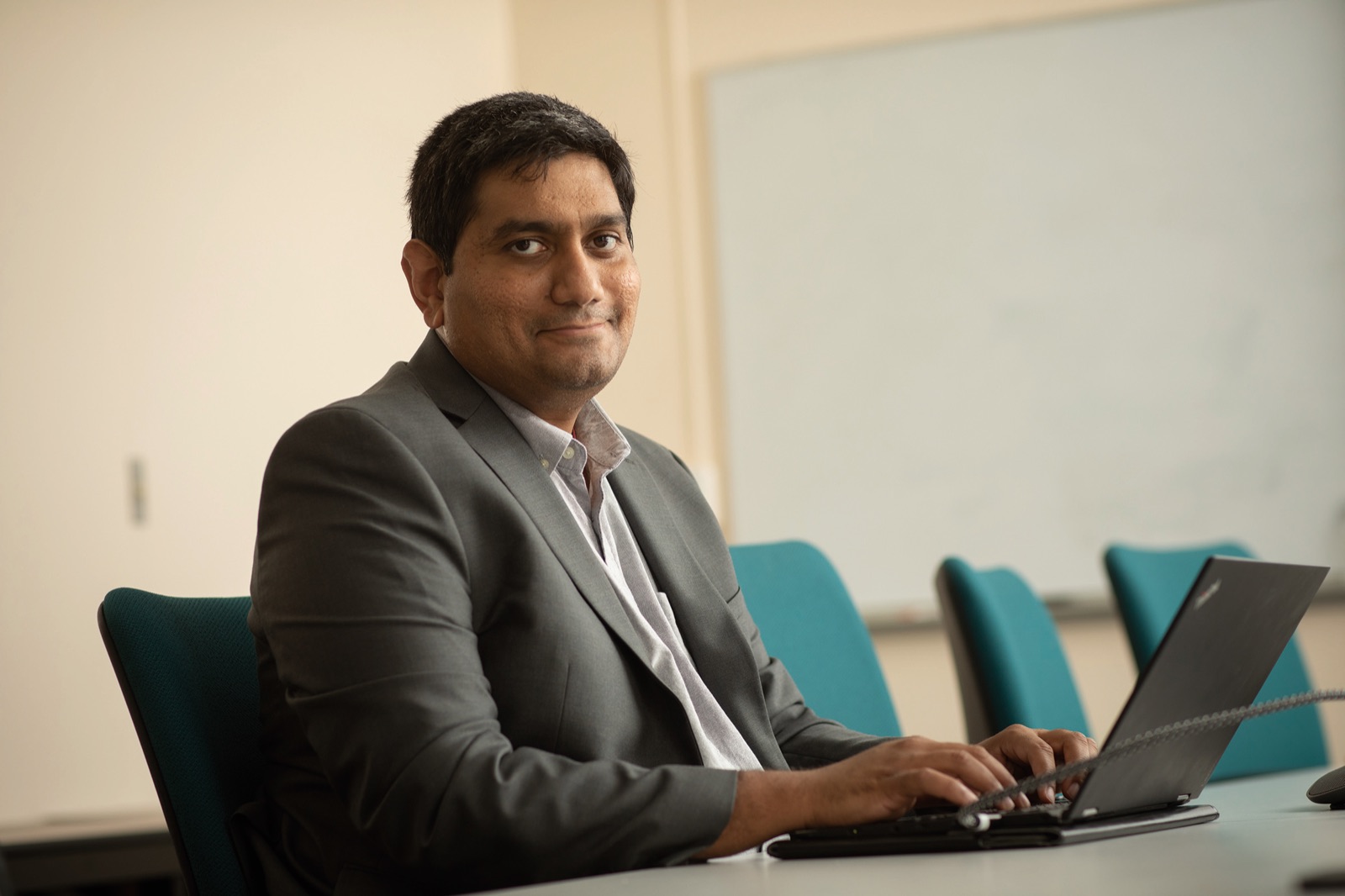
Srinivas RangarajanDouglas Benedict/Academic Image
Rangarajan and his team are combining scientific foundation models—AI systems trained on massive amounts of quantum chemistry data—with physics-based simulations to model catalytic reactions at the molecular level more efficiently than conventional approaches.
The goal isn’t to replace the underlying science, he says, but to make it possible to explore chemical systems that were previously too large and complex to study. His group has built AI-enhanced computational workflows that can analyze thousands of possible reaction pathways, helping researchers understand how valuable products are formed and why unwanted byproducts appear. That knowledge can guide the design of better catalysts and more efficient industrial processes.
The team has begun developing agentic AI workflows that can automate much of the repetitive work involved in building and running these sophisticated models. By allowing AI to handle routine computational tasks, researchers can spend more time asking scientific questions instead of managing calculations.
More accurate and efficient models could support conventional applications, such as hydrocarbon upgrading, as well as emerging applications involving plastics upcycling, breaking down PFAS “forever chemicals,” and bio-derived aviation fuel.
“The ability to get so far so quickly using these tools,” he says, “has made me very excited about AI and its future.”
Learning AI from the ground up
As artificial intelligence reshapes industries, Lehigh will soon prepare students to not only use AI tools, but to understand how they work—and how to improve them.
Officially approved this spring, the new Bachelor of Science in Artificial Intelligence, Machine Learning, and Data Science will launch next year and give undergraduates a technical foundation in mathematics, computing, machine learning, data science, and AI, with an emphasis on the ethical and responsible development of intelligent systems. Coursework includes deep learning, big data, AI theory and practice, natural language processing, computer vision, and a two-semester AI capstone project.
The degree is designed to go beyond applying existing technologies by teaching students how AI systems are built.
“Students will learn not just how to use those algorithms, but how they were created so they can improve upon them, extend them, or create a replacement,” says Brian Davison, professor and chair of computer science and engineering.
Graduates will be prepared for technical roles such as AI engineer and machine learning engineer, developing and improving intelligent systems.
Simulating the user
Cyber-physical systems that act as personal assistants are making our lives easier. Smart home assistants can anticipate an owner’s arrival and adjust temperature and lighting. Driver-assistance systems can monitor the surrounding environment and help drivers safely navigate. Wearable fitness devices can track movement and personal goals to help users meet daily targets.
But designing these systems for real-world use is challenging and time-consuming.
“When you’re developing those systems, you want to know how people interact with them so you can identify problems and refine the design,” says Yu Yang, assistant professor of computer science and engineering. “You have to develop a prototype, recruit people to use it, observe those interactions, collect the data, and then use the data to improve the system.”
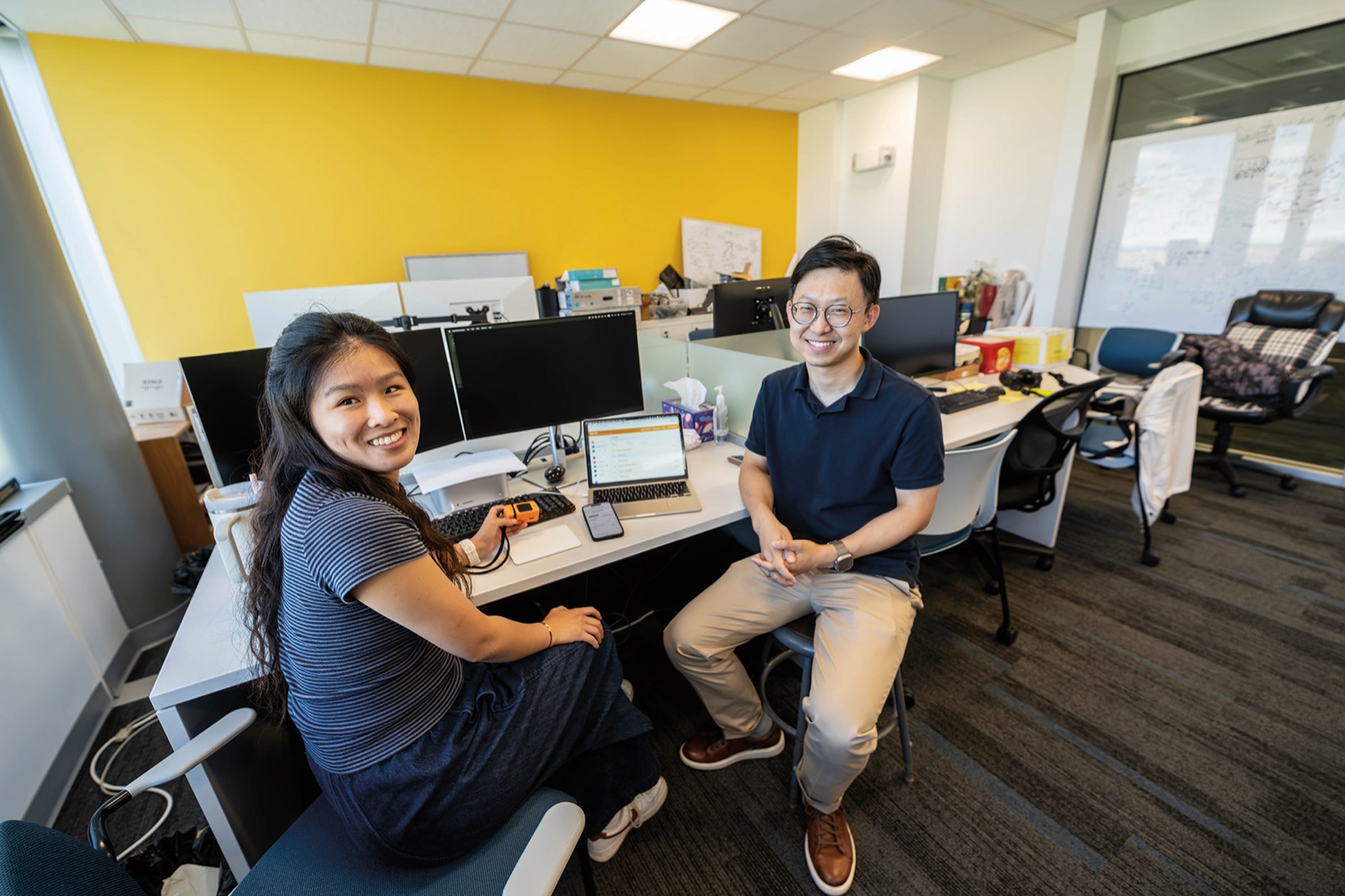
Yu YangChrista Neu
For now, that’s the typical development pipeline. But Yang and his team are using a two-pronged approach that combines human studies with AI-based simulation to streamline it. They’re building a wearable, always-on personal assistant prototype to improve people’s daily lives, while using foundation models to create simulated users that can interact with the system across different scenarios.
“We want to use those models to simulate how people interact with the system and then use that interaction behavior data to improve our personal assistant,” he says.
The team is working with existing models to represent a diverse range of human behaviors and individual differences, drawing on data from participants in previous studies. They incorporate details such as physical characteristics, daily routines, and preferences for feedback, and then fine-tune the models to reduce bias. In their most recent published study, approximately 1000 simulated users interacted with the prototype in settings such as the home and office.
“We found that the simulated users reproduced several interaction patterns that had previously been observed across 10 human studies,” says Yang. “That gave us evidence that these models can capture meaningful aspects of human-system interaction.”
A recently accepted paper takes the next step: examining whether simulated interaction data can actually help improve the system. In that study, the team used the simulated interaction data to refine the prototype and then tested it with 34 human participants. Participants evaluated the personal assistant before and after the changes and found that the version informed by the simulated users performed better.
“Our results show that simulated user interactions can provide useful signals for improving real-world systems,” he says. “Human evaluation is still essential, but simulation can help us decide what to test, which scenarios deserve more attention, and where problems may emerge before conducting human studies.”
In the future, development pipelines that once relied on dozens of human participants could first explore hundreds or thousands of simulated users across many different scenarios. Researchers could then use human studies to validate the most important findings and test situations where real-world evidence is especially important.
“Simulation allows us to explore a larger space of users and situations,” Yang says. “That can help us make better use of human data, speed up the design process, and build systems that are safer, more personalized, and better prepared for situations they will encounter in the real world.”
Finding the right fit
AI can help researchers get new findings to the right audience faster.
For academics, publishing is paramount. Yet in some fields, the distinctions among closely related journals may be murky, and submitting a paper to the wrong one can dramatically slow the dissemination of new research.
“It’s against the rules of academia to submit the same paper to multiple journals at the same time,” says Meng Zhao, assistant professor of industrial and systems engineering. “If you submit your paper to an unsuitable publication, it can take months to hear back that it’s been rejected—not because of the quality of the work, but because the topic didn’t align with the journal’s content. By the time you resubmit it elsewhere, your work might be outdated.”
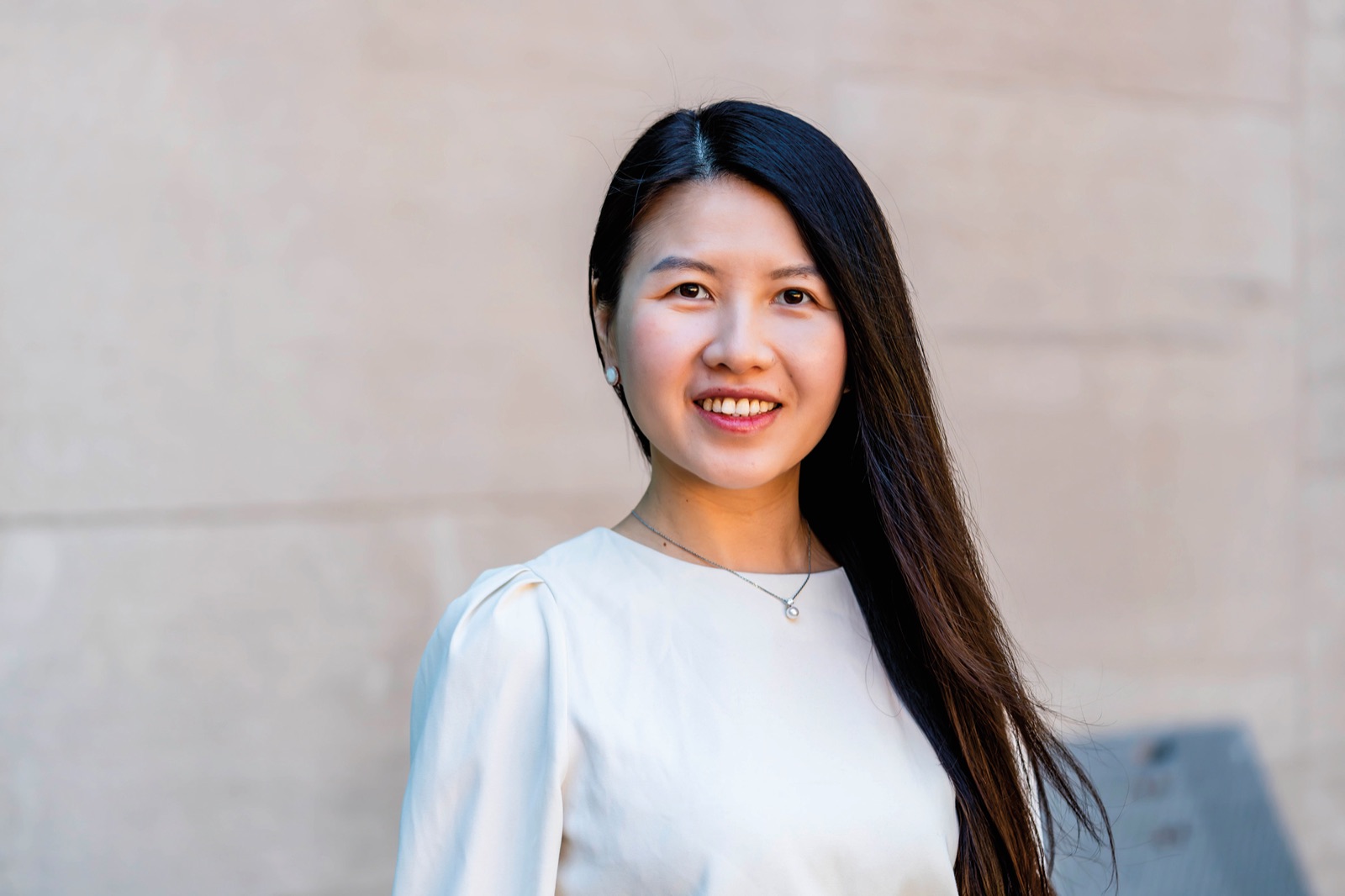
Meng ZhaoChrista Neu
To minimize time lost to mismatched submissions, Zhao and her team created an algorithm to help researchers find the journal that best fits their work. For the study, they focused on six transportation journals with enough overlap in subject matter that distinguishing among their specific areas of coverage could prove difficult even for seasoned authors.
The algorithm analyzed topics covered by each journal over the previous 10 years. The results revealed how the publications differed from one another and how their areas of coverage had shifted over time.
“We found that even the journal editors weren’t aware of how much their topical coverage had evolved,” says Zhao. “Knowing about that evolution helps them refine their review process. And it’s important for the researcher because they’re able to monitor new topics in transportation.”
She and her team built a website where transportation researchers can submit an abstract and receive a recommendation for which of the six journals best fits their work. Zhao herself used the AI system to identify the journal that ultimately published her paper on the algorithm, Transportation Research Part A. The algorithm may not fortify infrastructure or improve health directly, but it can save researchers’ time and help them do their jobs more effectively. And the approach could extend to fields such as healthcare and manufacturing, helping new findings reach the teams most likely to build on them. (For more on how Lehigh researchers are using AI to streamline their workflows, see “Meet Dr. Claw.")
“I think it’s amazing that you can use AI tools to solve a problem and make a contribution to your field,” she says. “What’s so useful about these tools is that we can use them to actually change the way we do research.”
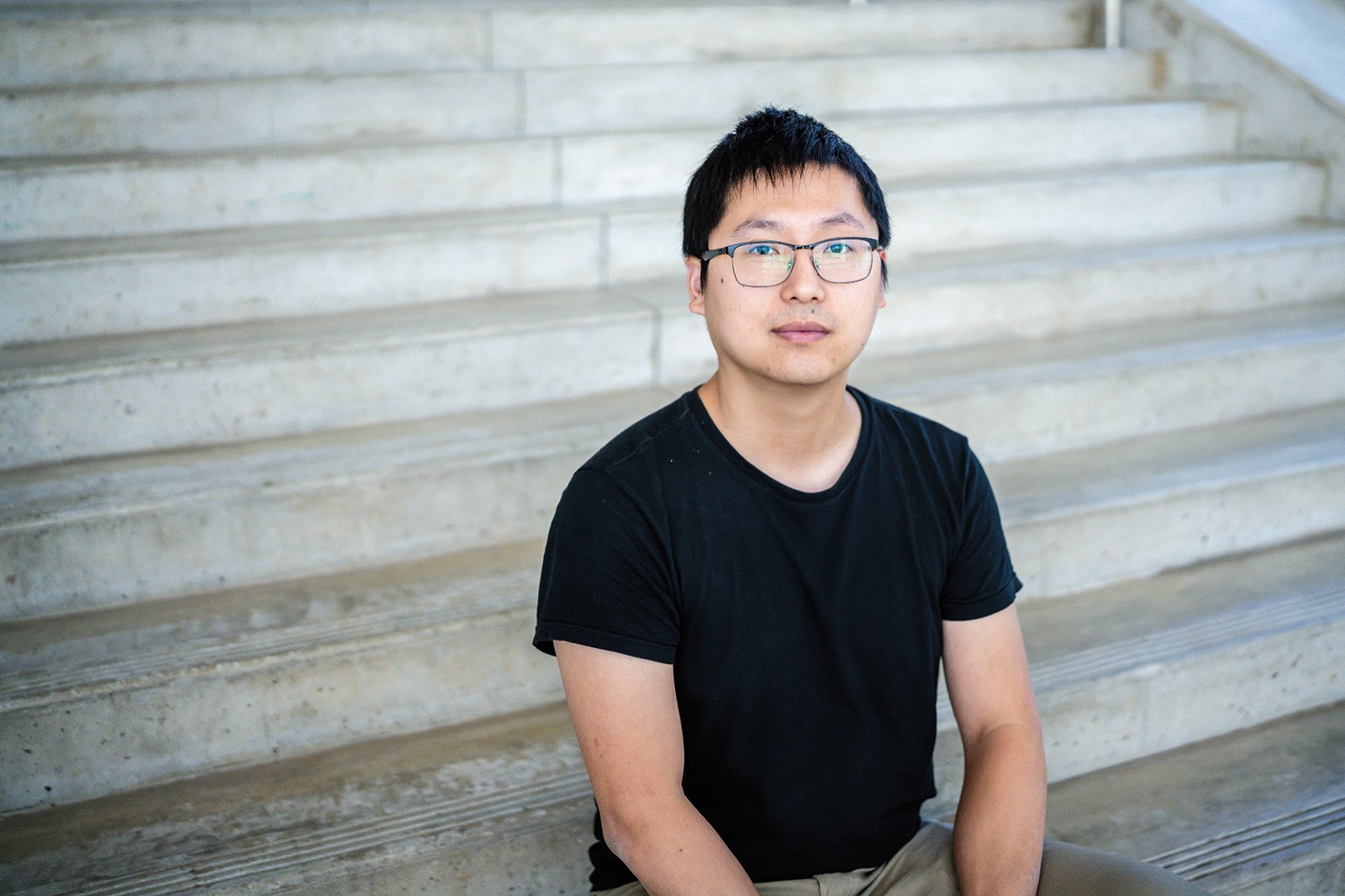
Lichao SunChrista Neu
Connecting the models
When radiologists use AI to interpret imaging scans, they typically rely on models designed for specific tasks. One may excel at detecting a lesion, while another generates a report summarizing the scan. That narrow focus stems in part from the data used to train the models.
“Each of these models does its job very well, but they don’t work together to give the radiologist a complete understanding of the scan,” says Lichao Sun, assistant professor of computer science and engineering. “We realized that a single agentic system could take advantage of the strengths of these different models.”
In an agentic AI system, multiple agents work together toward a common goal, coordinating models rather than relying on one to perform every task.
Sun and his team built an agentic AI system called RadFabric as a research framework for combining specialized imaging models. The long-term goal is a tool that could help doctors determine both the presence of disease and the reasoning behind that conclusion. Their results were recently published in npj Digital Medicine.
When the researchers tested RadFabric on chest X-rays, the system outperformed other leading AI models at identifying a range of abnormalities, achieving an overall accuracy score of about 85 percent. It was particularly effective at recognizing less common conditions—cases that can be challenging for AI models trained on limited datasets. RadFabric could also explain how it arrived at its conclusions, combining information from multiple specialized models to produce a step-by-step rationale for its findings.
“We’re encouraged by this research,” says Sun. “The idea is that eventually hospitals could have an AI solution to the problem of disparate models based on this strategy, providing better information for doctors and patients.”
AI at the extremes
Two projects led by Rossin College researchers have received funding through the U.S. Department of Energy’s Genesis Mission, an initiative designed to accelerate breakthroughs in energy, scientific discovery, and national security by supporting work that combines AI, supercomputing, quantum systems, and advanced scientific instruments.
Mechanical engineering and mechanics faculty members Eugenio Schuster and Tariq Rafiq are leading a project focused on one of the central challenges in making nuclear fusion energy safe and viable.
Fusion seeks to generate energy by combining light atomic isotopes under extreme temperatures. At reactor scale, scientists must control ultrahot plasma while managing extreme heat and particle exhaust at the reactor walls. Conventional physics simulations of these boundary dynamics can take weeks or months to run, making real-time control impossible.
The team, in collaboration with Oak Ridge National Laboratory (ORNL) and Columbia University, will replace those computationally intensive simulations with ultrafast AI surrogate models integrated into a digital twin of the reactor. The models are designed to calculate plasma states in milliseconds, allowing a control system to respond quickly enough to protect reactor surfaces while maintaining peak energy performance.
A second project, led by Hong-Yi Li, associate professor of civil and environmental engineering, tackles another complex system: the movement of water through rivers, reservoirs, and underground aquifers. Li is joined by fellow faculty researchers in Lehigh’s Center for Catastrophe Modeling and Resilience, Brian Davison and Ethan Yang, along with collaborators from the Pacific Northwest National Laboratory, ORNL, the University of Texas at Austin, and the City College of New York.
The project will combine AI with physics-based modeling to improve predictions of water availability, floods, and droughts. The work will begin in the Delaware River Basin, with the goal of developing approaches that can be applied nationwide.
One challenge is accounting for how people manage water systems. Information contained in operating manuals, policies, and institutional practices is essential to practical decision-making but generally absent from conventional numerical models.
The researchers will use large language models to translate that unstructured information into machine-readable operating rules and integrate it with physics- and AI-based models.
Together, the projects demonstrate how AI can help researchers work with systems whose complexity—and speed—have long strained the limits of conventional modeling. —Katie Clarke
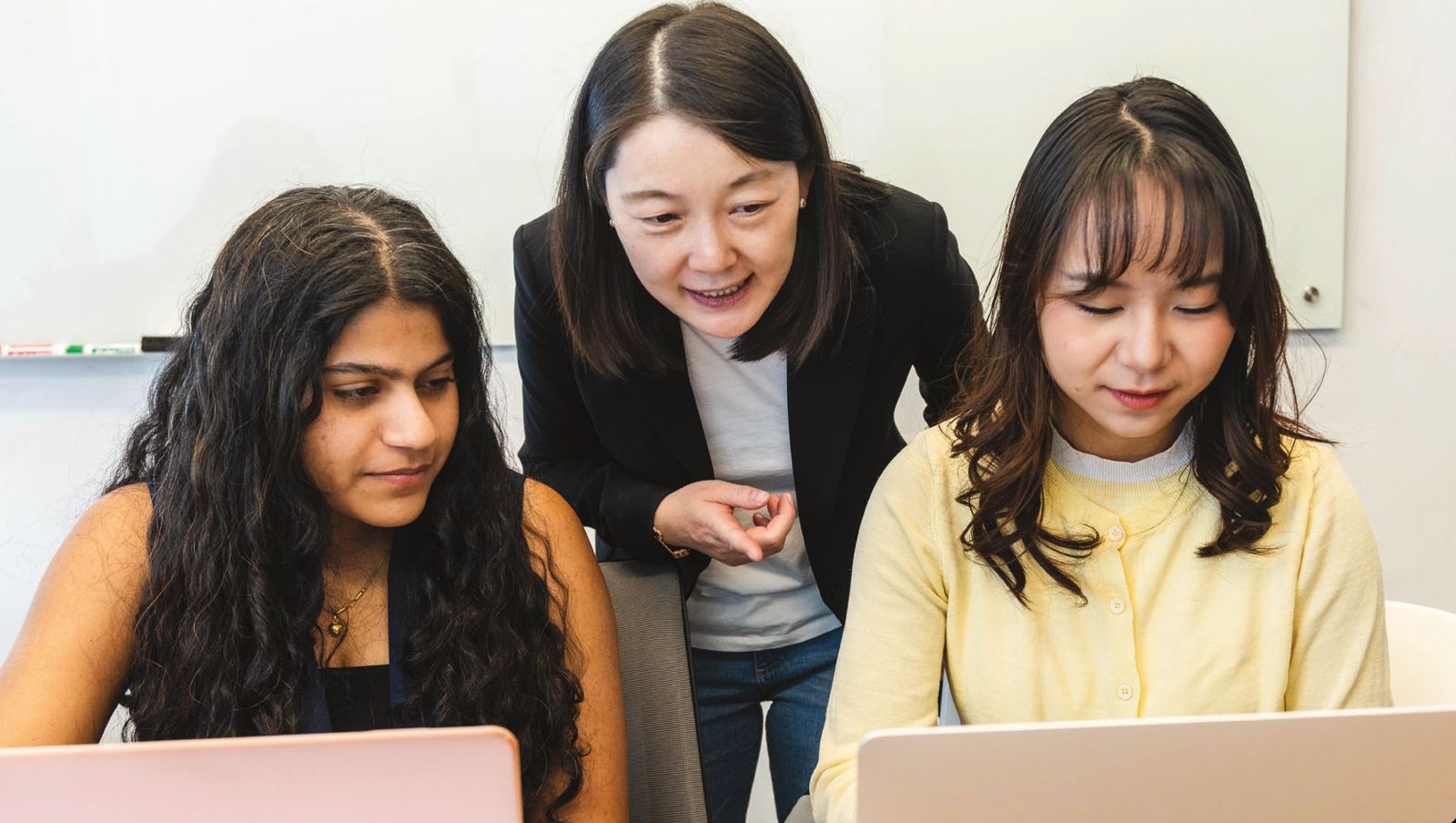
Investing in Discovery
Alumni-funded Rossin Research Innovation Grants give faculty the resources needed to transform bold ideas into competitive research proposals
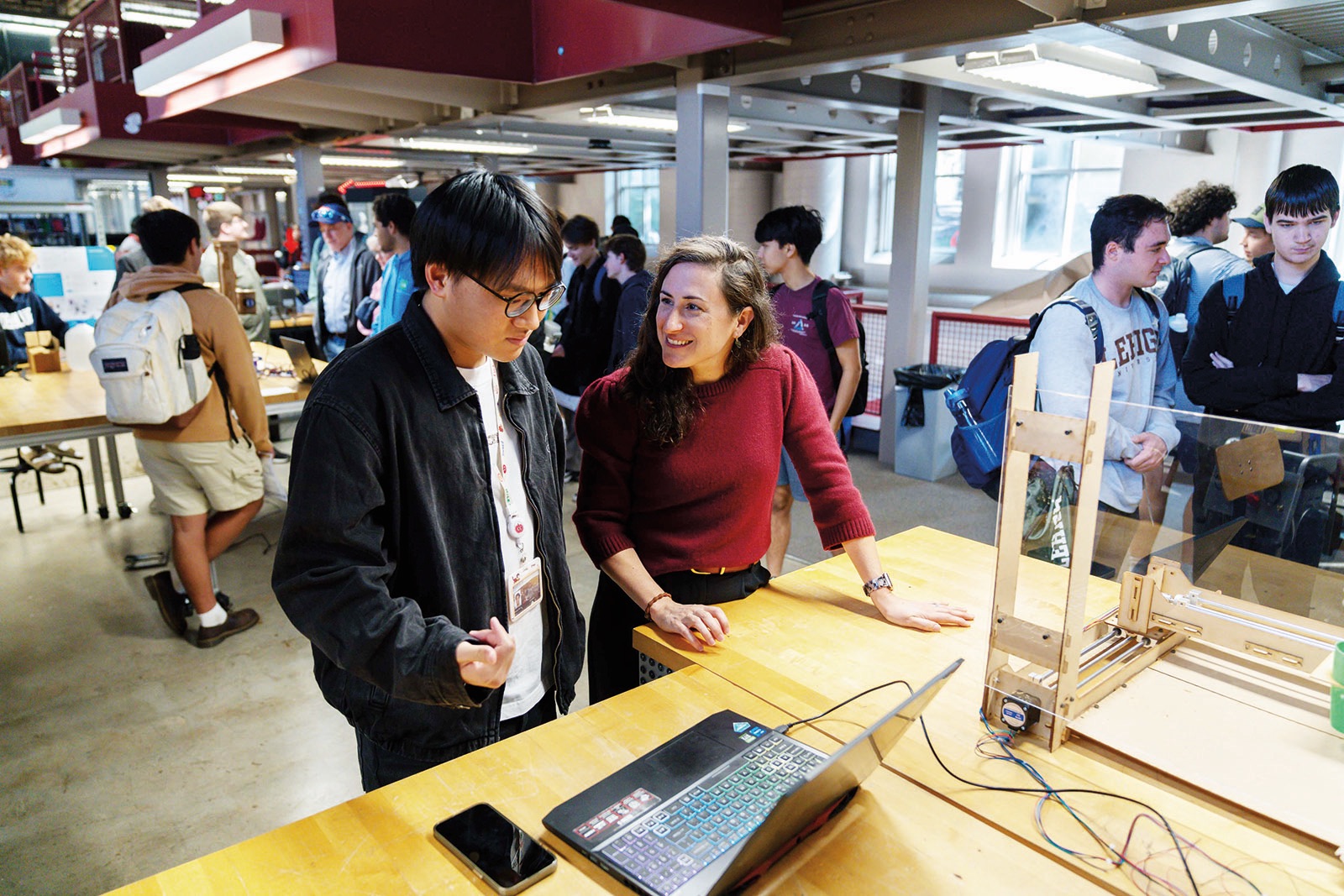
Hands-On from Day One
An expanded lineup of First Year Rossin Engineering (FYRE) modules immerses students in interdisciplinary challenges with real-world relevance

Wired for change
Electrical engineering alumna reflects on AI’s future, the networks behind it, and the mindset needed to lead through rapid change

Engineering on Tap
A new course built around brewing, winemaking, and distilling gives students a practical lesson in process design and plenty of room to experiment
A new way to read the heart
NSF CAREER Award recipient employs seismocardiography to explore using chest vibrations to reveal life-threatening heart defects in newborns