
Christa Neu
 Features · Fall 2026
FYRE’s expanded module lineup immerses first-year students in interdisciplinary challenges with real-world relevance
In its second year, the First Year Rossin Engineering program is getting bigger—and broader.
While still in its pilot phase, FYRE has grown from three to eight modules for the 2026–27 academic year. The five new offerings tackle challenges involving natural disasters, plastic waste, human-machine interfaces, sensor technology, and the growing energy demands of artificial intelligence.
Christa Neu
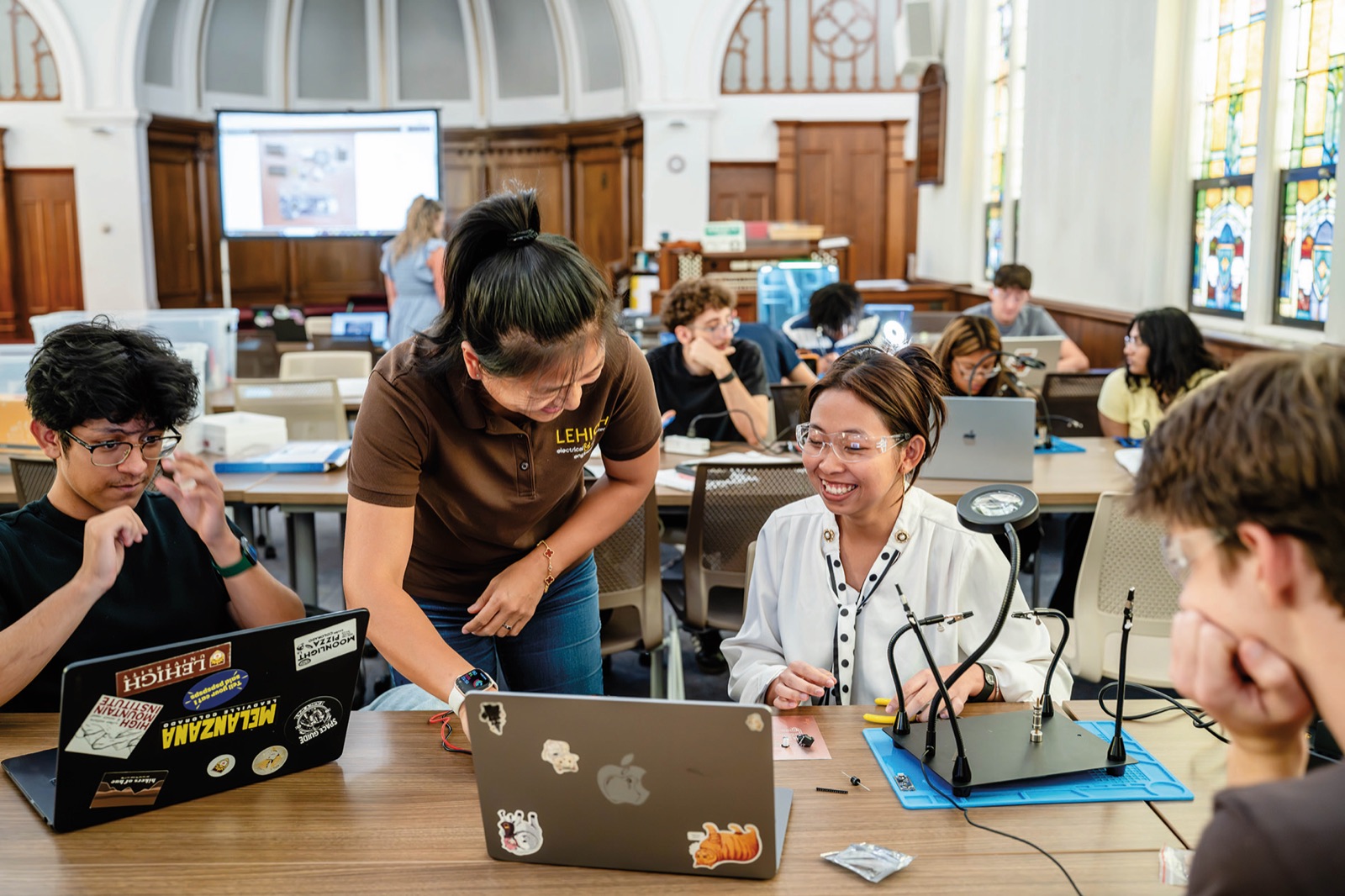
The expansion advances FYRE’s goal of reshaping how students experience engineering at the start of their time at Lehigh. Through seven-week, interdisciplinary modules built around project-based learning, students take on real-world problems and begin to see how concepts in engineering, mathematics, science, computing, and design connect in practice. The approach introduces them to tools and applications that might otherwise come much later in their education and gives them a clearer sense of why the underlying fundamentals matter.
FYRE facts
- 127students enrolled for 2026–27
- 4modules per student
- 11undergraduate engineering programs represented
- 18faculty instructors (+ 1 dean!) across all modules
- 8Rossin College departments involved
Last December, faculty across the Rossin College were invited to propose the program’s next set of modules. Fifteen proposals came in for five available slots. The selections emphasized cross-disciplinary learning and timely societal challenges.
“It was such a hard decision because so many faculty are motivated to bring what they do to the forefront for students,” says Christina Haden, teaching professor of mechanical engineering and mechanics and director of FYRE. “We wanted modules that reflect current societal needs and show how different engineering disciplines have to come together to address them. Our goal is to prepare students for the horizon they’ll face after graduation.”
The FYRE lineup
The five new modules join three returning offerings to make up FYRE’s 2026–27 lineup, broadening the ways first-year students can engage with engineering.
Engineering Against Natural Disasters
Analyze risks posed by earthquakes, floods, hurricanes, and other hazards, and consider how engineers can help communities and infrastructure become more resilient.
Engineering Solutions for Plastic Remediation
Investigate plastic waste, sustainable materials, biopolymers, and degradation to identify engineering approaches to reducing plastic pollution.
Human-Machine Interface
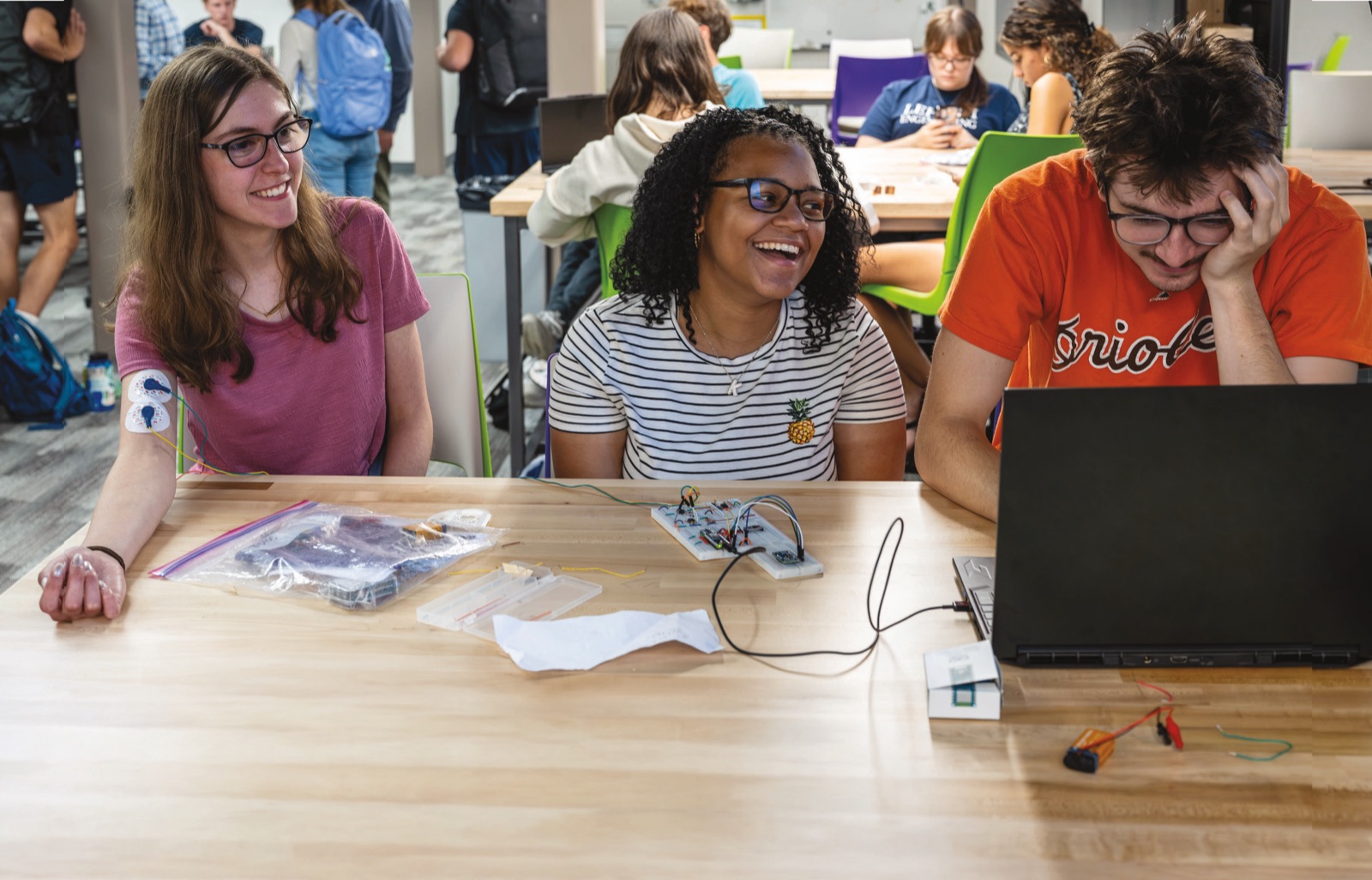
Capture and process signals from the human body to control robotic systems and other devices.
Sensing the World
Trace how sensors and chips move from raw materials through fabrication and device integration to interact with their surroundings.
Sustainable Energy Systems for AI and Microgrid Applications
Examine renewable energy, microgrid design, and the growing power demands of AI and data centers to balance computing needs with more sustainable sources of electricity.
Design and Make Foundations
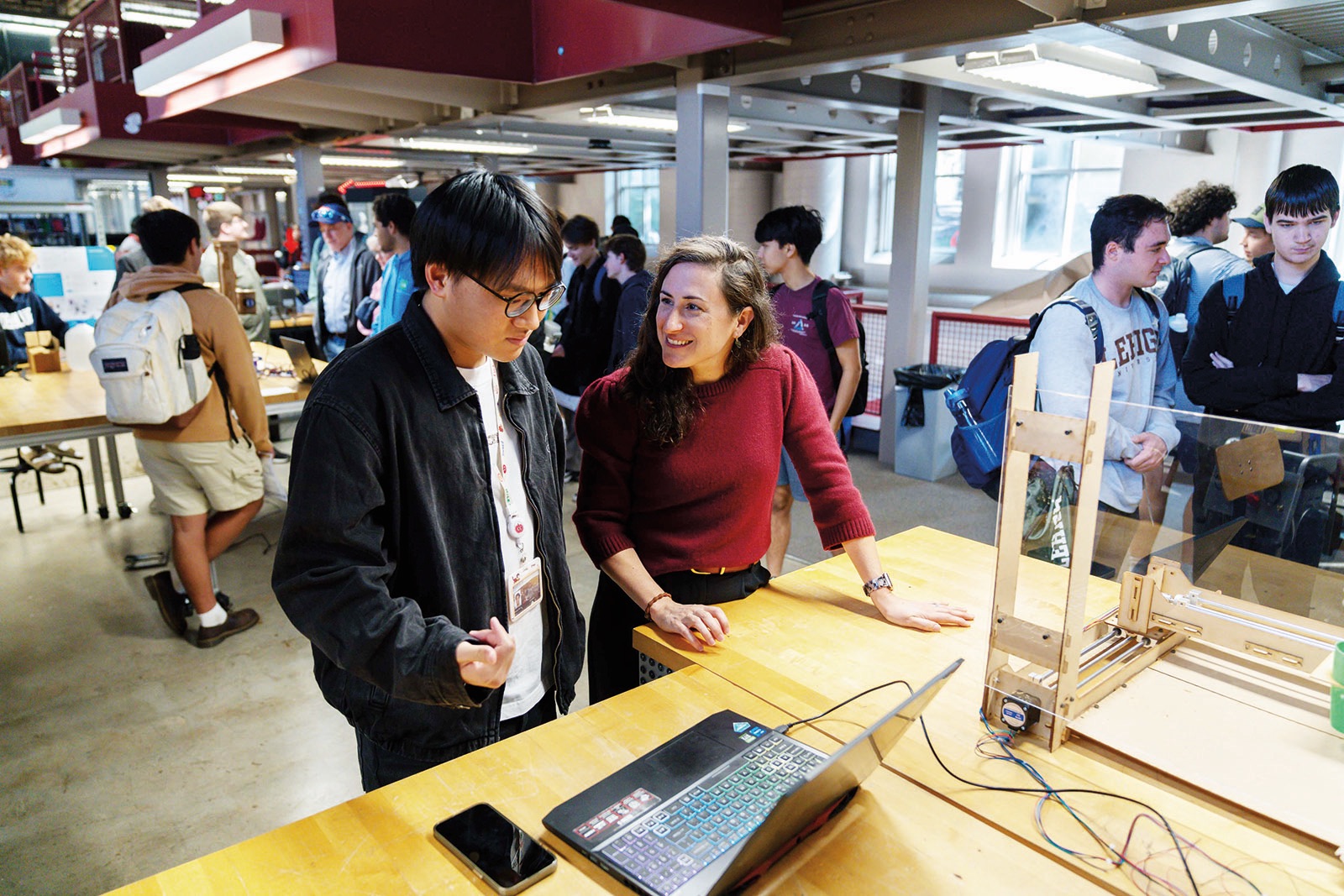
Apply makerspace tools, iterative design, automation, and teamwork to build and refine a functional machine that addresses a real-world problem.
Foundations of Energy Storage
Explore electrochemical and mechanical energy storage through experiments, system design, and materials testing, including how materials perform and fail.
Harnessing Agentic AI
Learn Python and build AI agents while examining how large language models work, what they can do, and where their limitations lie.
Christa Neu
Into the deep end
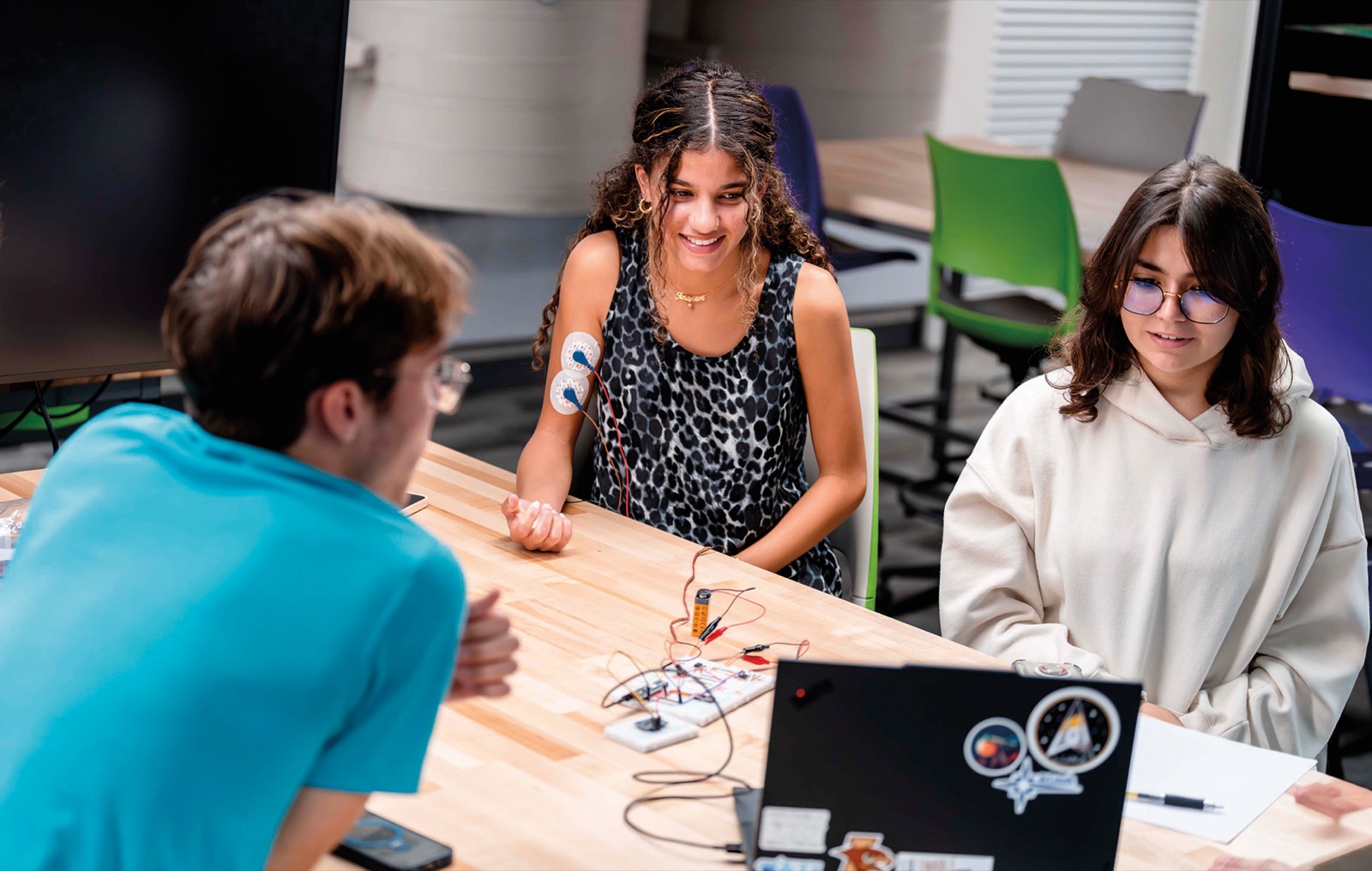
During their very first days at Lehigh, students in the new Human-Machine Interface module were already working with oscilloscopes, multimeters, and function generators—tools they will use to capture electrical signals from the human body and ultimately translate those signals into commands for a robotic arm.
The project introduces students to concepts spanning bioengineering, computing, electronics, and robotics, with applications including surgical robotics, rehabilitation technology, and medical devices.
“We’re introducing students to the state of the art in engineering,” says Juan Aceros, associate professor of bioengineering, who co-teaches the module with Stephen P. DeWeerth, the Lew and Sherry Hay Dean of Engineering and professor of electrical and computer engineering and bioengineering. “The skills they’ll learn are applicable to computer science, robotics, mechatronics, circuits and signals, and just about anything in healthcare.”
For students who have barely begun their college careers, the equipment and concepts are intentionally challenging.
“In that very first week at Lehigh, they’re in the deep end of the pool,” Aceros says. “But we have an amazing team of faculty and graduate students who are able to guide and help them through it.”
Christa Neu
What’s next?
As FYRE continues through its pilot phase, the module lineup will keep evolving. Haden expects at least one new module to be added each academic year while another is retired.
“We will continuously assess if each module is the right fit for the moment,” she says. “In this era of rapid technological change, much of it driven by AI, having such an adaptable and modular program is incredibly valuable. It allows us to refine what our students are exposed to and respond more quickly to changes in industry and technology than is typically possible for academic programs.”
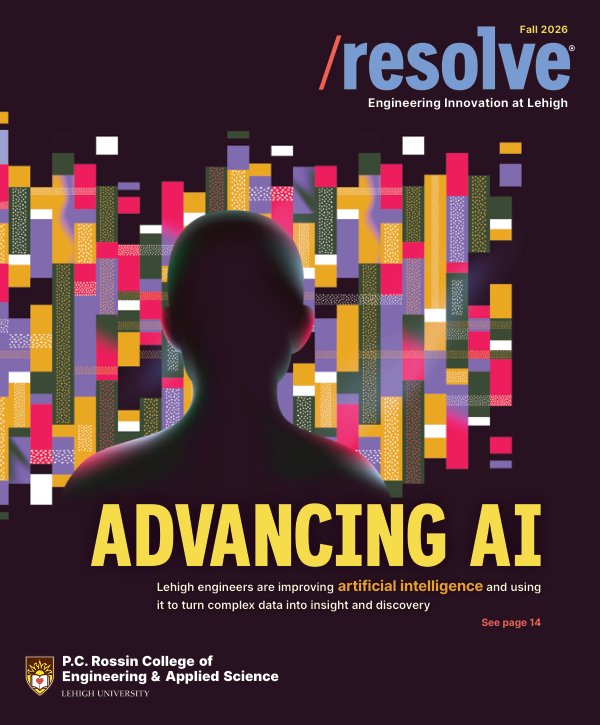

Making AI Work
As AI continues to dominate the national conversation, Lehigh researchers are improving its reliability, efficiency, and trustworthiness while accelerating engineering innovation
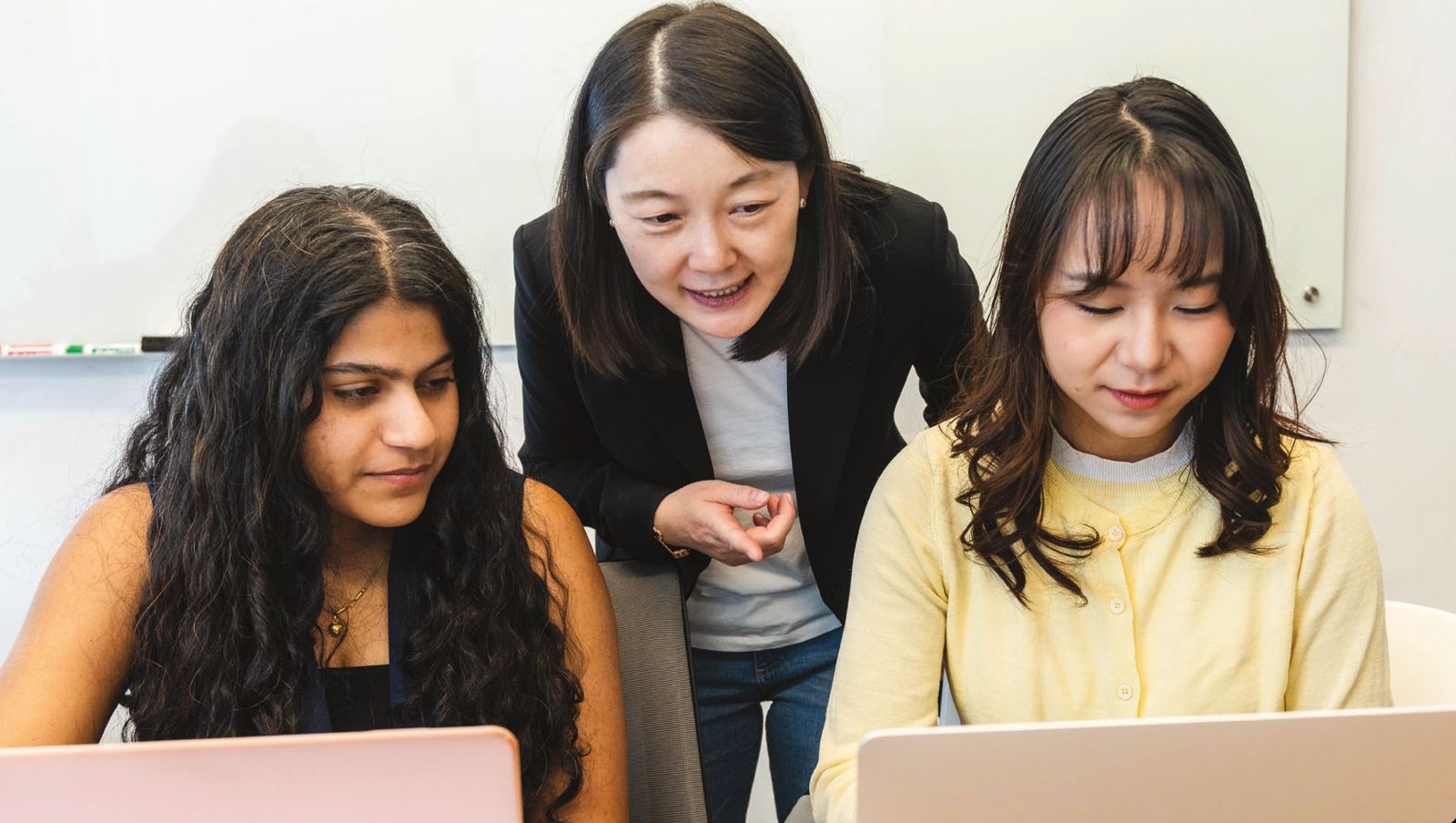
Investing in Discovery
Alumni-funded Rossin Research Innovation Grants give faculty the resources needed to transform bold ideas into competitive research proposals
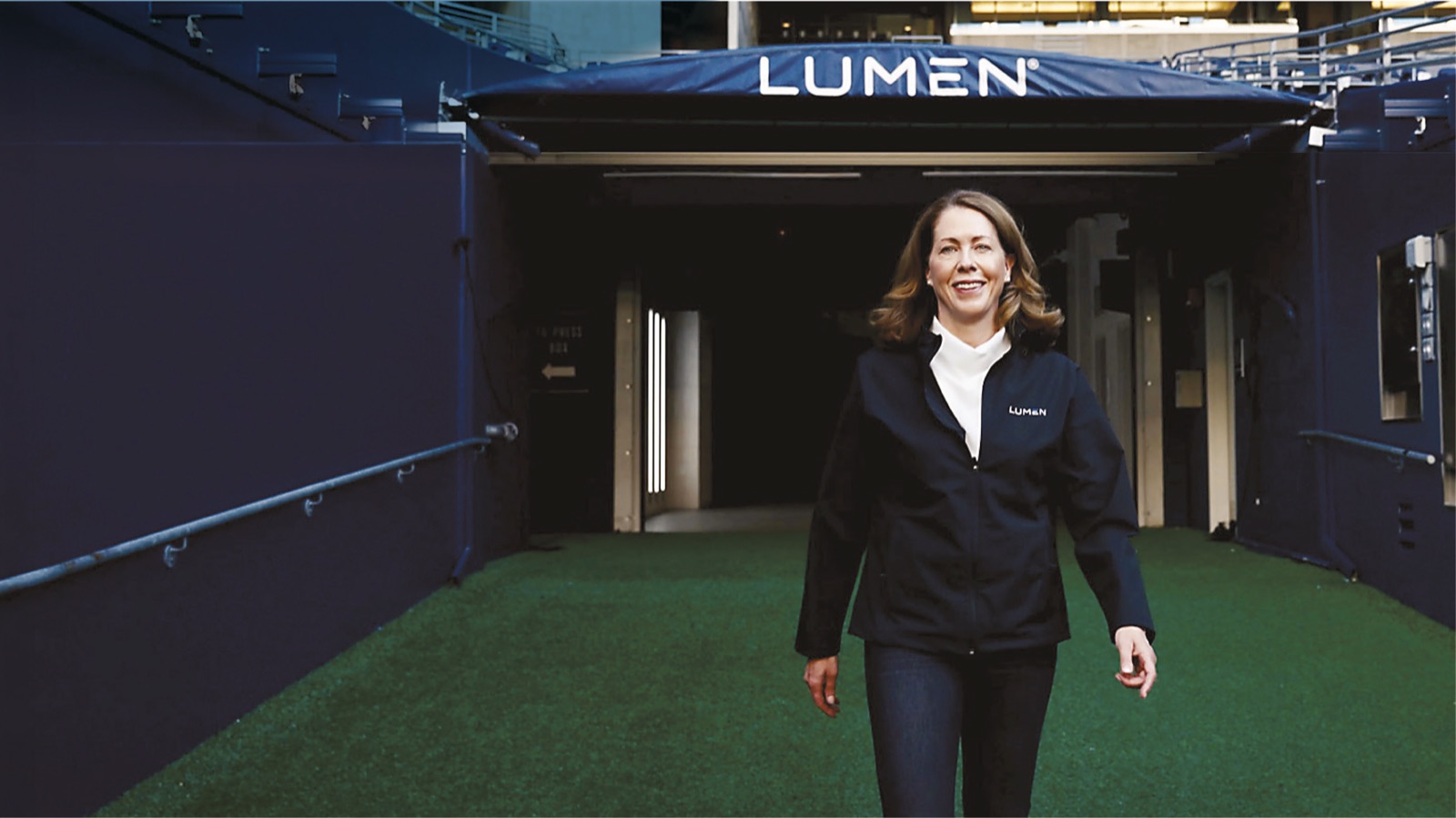
Wired for change
Electrical engineering alumna reflects on AI’s future, the networks behind it, and the mindset needed to lead through rapid change
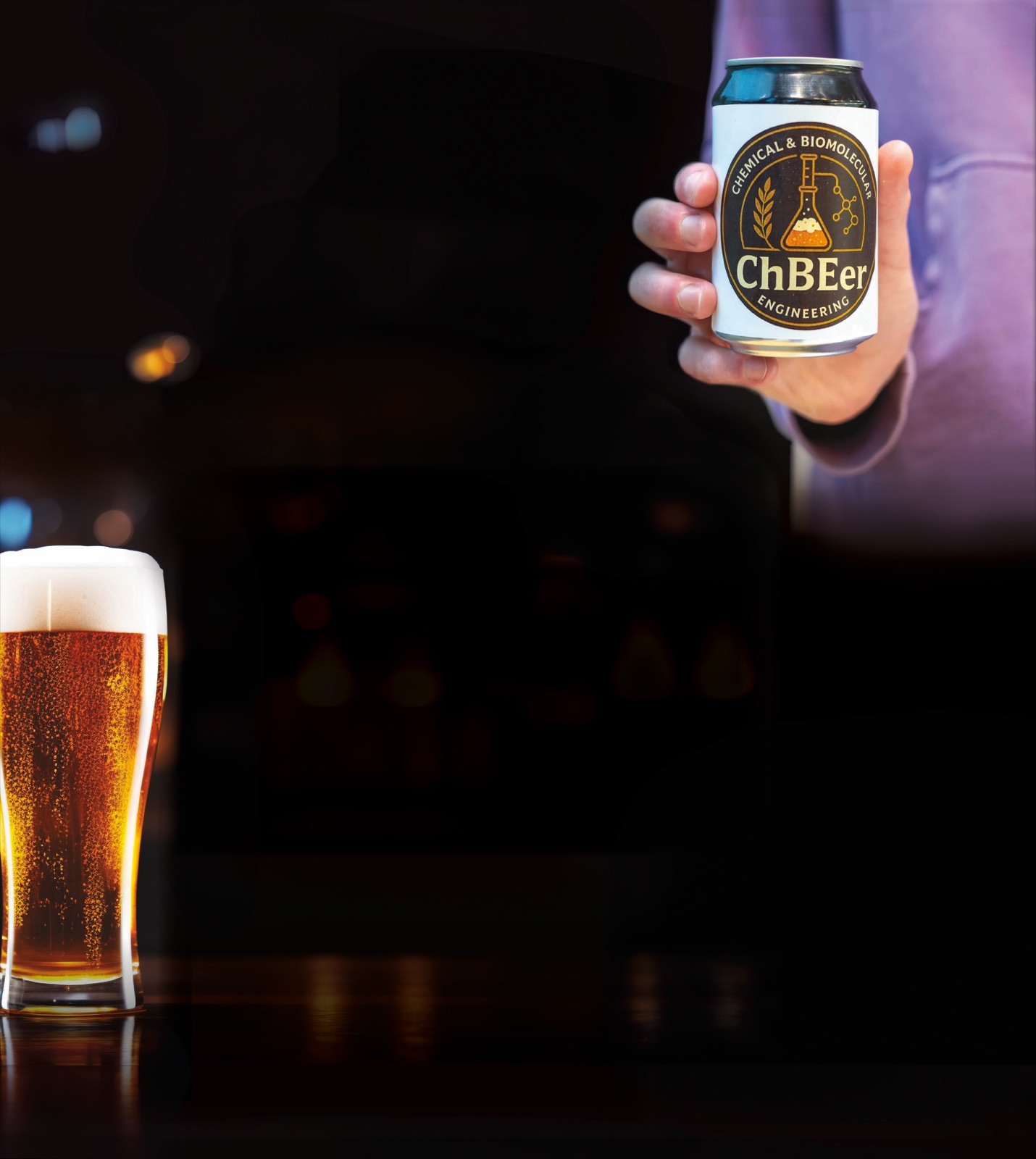
Engineering on Tap
A new course built around brewing, winemaking, and distilling gives students a practical lesson in process design and plenty of room to experiment
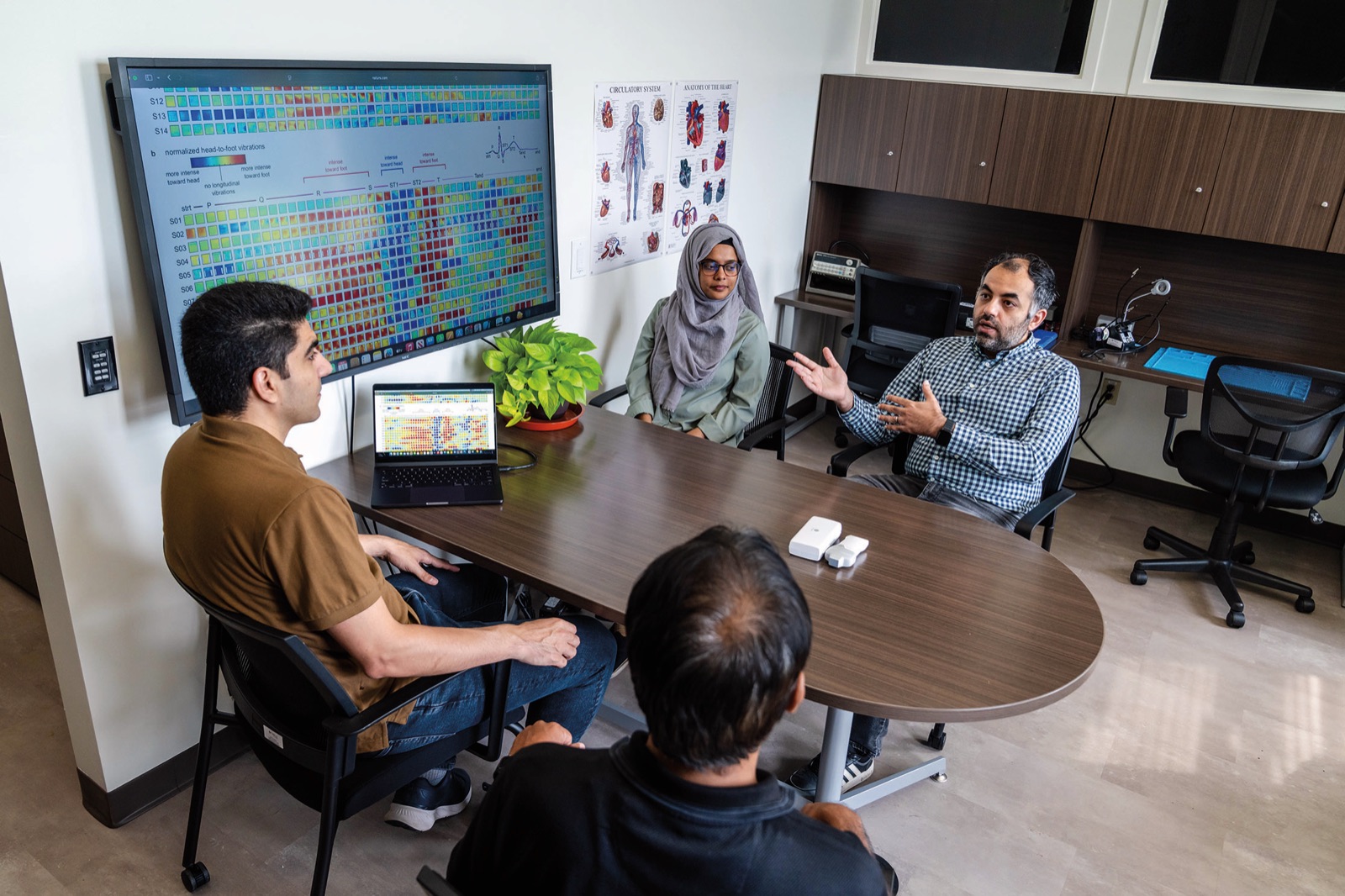
A new way to read the heart
NSF CAREER Award recipient employs seismocardiography to explore using chest vibrations to reveal life-threatening heart defects in newborns