
 Letter from the Dean · Fall 2026
Welcome to the Fall 2026 edition of Resolve—a magazine dedicated to research and educational innovation in the P.C. Rossin College of Engineering and Applied Science at Lehigh University.
This fall marks an important step forward for First Year Rossin Engineering. In its second year, FYRE has grown from three pilot modules to eight, giving first-year students more ways to tackle real-world engineering challenges from the moment they arrive at Lehigh.
The expanded lineup spans topics such as natural disasters, plastic remediation, sensing, energy storage, agentic AI, and sustainable energy for AI and microgrids. Through these seven-week modules, students begin connecting concepts across disciplines while gaining experience with the tools, teamwork, and persistence that engineering requires.
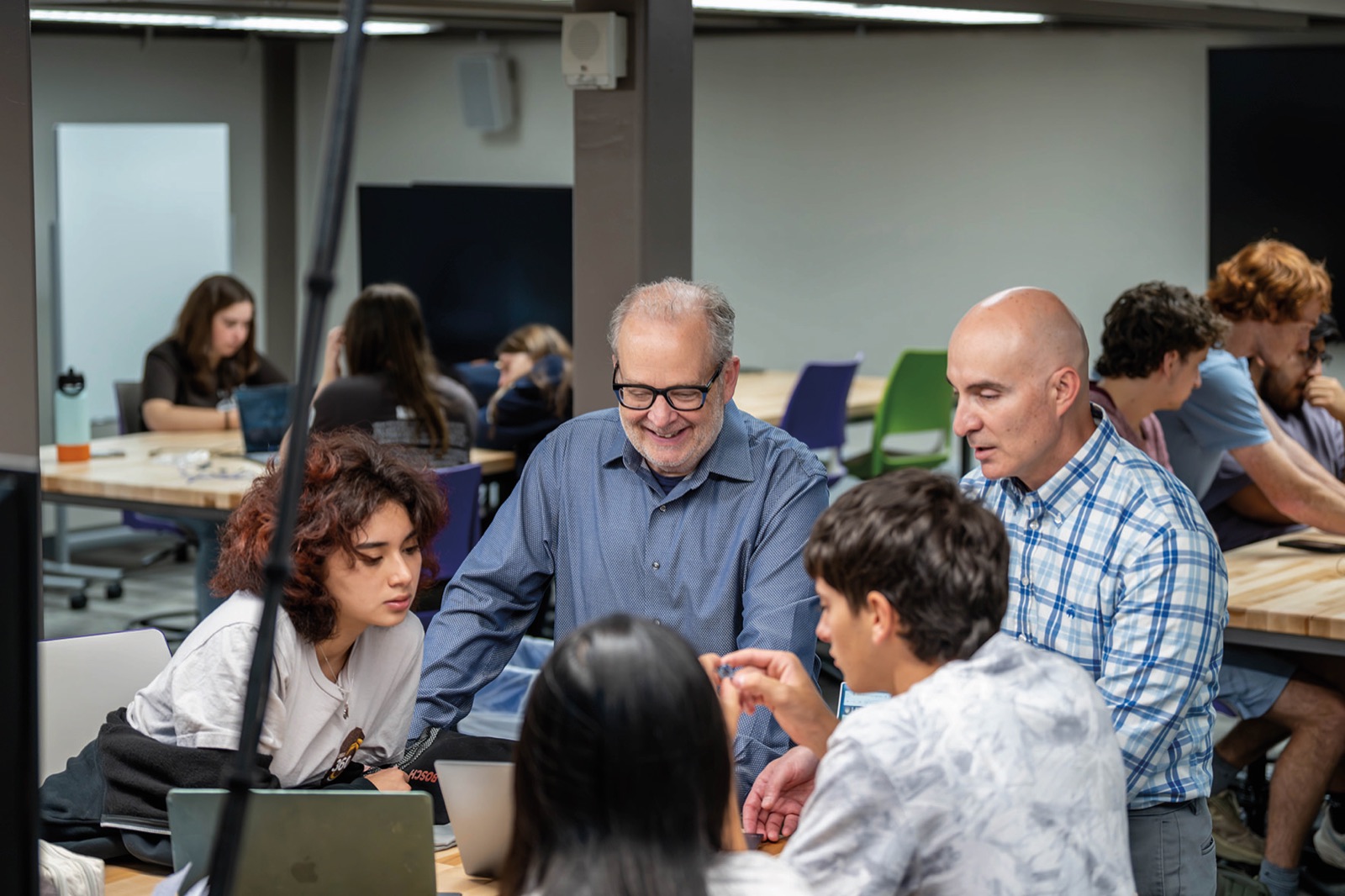
I have seen that process firsthand this semester as a co-instructor in the Human-Machine Interface module, led by bioengineering professor Juan Aceros. Students are learning how electrical signals from the human body can be translated into commands for a robotic arm. Watching first-year students wrestle with an unfamiliar interdisciplinary problem and persist as they build new knowledge and skills has been particularly rewarding. You can read more about FYRE’s expansion in this issue.
That learning-by-doing approach continues well beyond the first year. “Engineering on Tap” takes readers into a course on brewing, winemaking, and distilling, where upper-level students apply chemical engineering principles through hands-on work in process design and product development. It is a distinctive class, but the larger idea—giving students the chance to put what they are learning into practice—is fundamental to the Lehigh engineering experience.
Keeping that experience relevant also requires us to respond to change, and few areas are changing as quickly as artificial intelligence. The pace of advancement is already affecting how we teach computing, how AI is incorporated into programs such as FYRE, and how we think about the curriculum more broadly. Our new bachelor’s degree in Artificial Intelligence, Machine Learning, and Data Science is another example of that evolution.
What feels current today can quickly become a new baseline. That reality makes adaptability especially important for our students and for the faculty and programs preparing them.
Our cover feature, “Making AI Work,” reflects that same dynamic in research. Rossin College teams are striving to improve AI itself while applying the technology to complex problems. Their projects aim to make AI reasoning more reliable, streamline scientific research, and uncover patterns in data that might otherwise be difficult to see.
In the Q&A, Lumen CEO Kate McConnell Johnson ’89 adds an industry perspective. Johnson discusses both the networks required to support the AI economy and the mindset needed to navigate rapid technological change.
In this issue, we also explore the Rossin Research Innovation Grant program, which is funded by alumni donors and provides early support for interdisciplinary faculty teams pursuing promising ideas. That backing allows researchers to generate preliminary results, establish collaborations, and become more competitive for external funding.
Over the past two fiscal years, the Rossin College has received nearly $34 million in philanthropic commitments. That generosity is helping us strengthen academic programs, advance faculty research, and invest in the student experience. A new $1 million matching challenge from an anonymous alumnus is the latest example, creating the potential for eight new endowed scholarships for undergraduate engineers.
Taken together, these efforts reflect the kind of environment we continue to build: one that can respond to change while giving students and faculty the support and experiences they need to grow, adapt, and make an impact.
I hope you enjoy this edition of Resolve; thank you, as always, for your interest in Lehigh Engineering!

Stephen P. DeWeerth
Lew and Sherry Hay Dean
P.C. Rossin College of Engineering and Applied Science

Making AI Work
As AI continues to dominate the national conversation, Lehigh researchers are improving its reliability, efficiency, and trustworthiness while accelerating engineering innovation
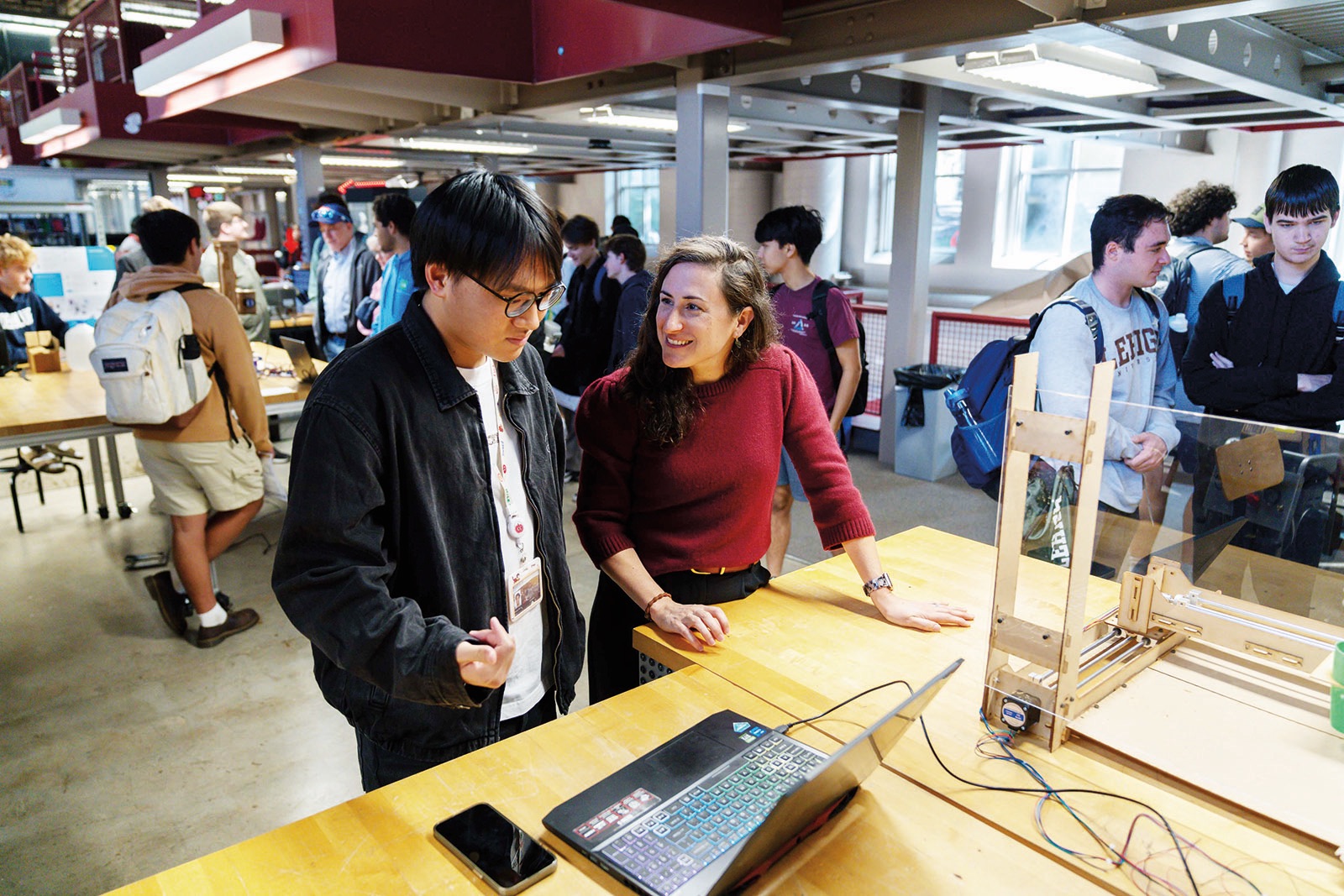
Hands-On from Day One
An expanded lineup of First Year Rossin Engineering (FYRE) modules immerses students in interdisciplinary challenges with real-world relevance
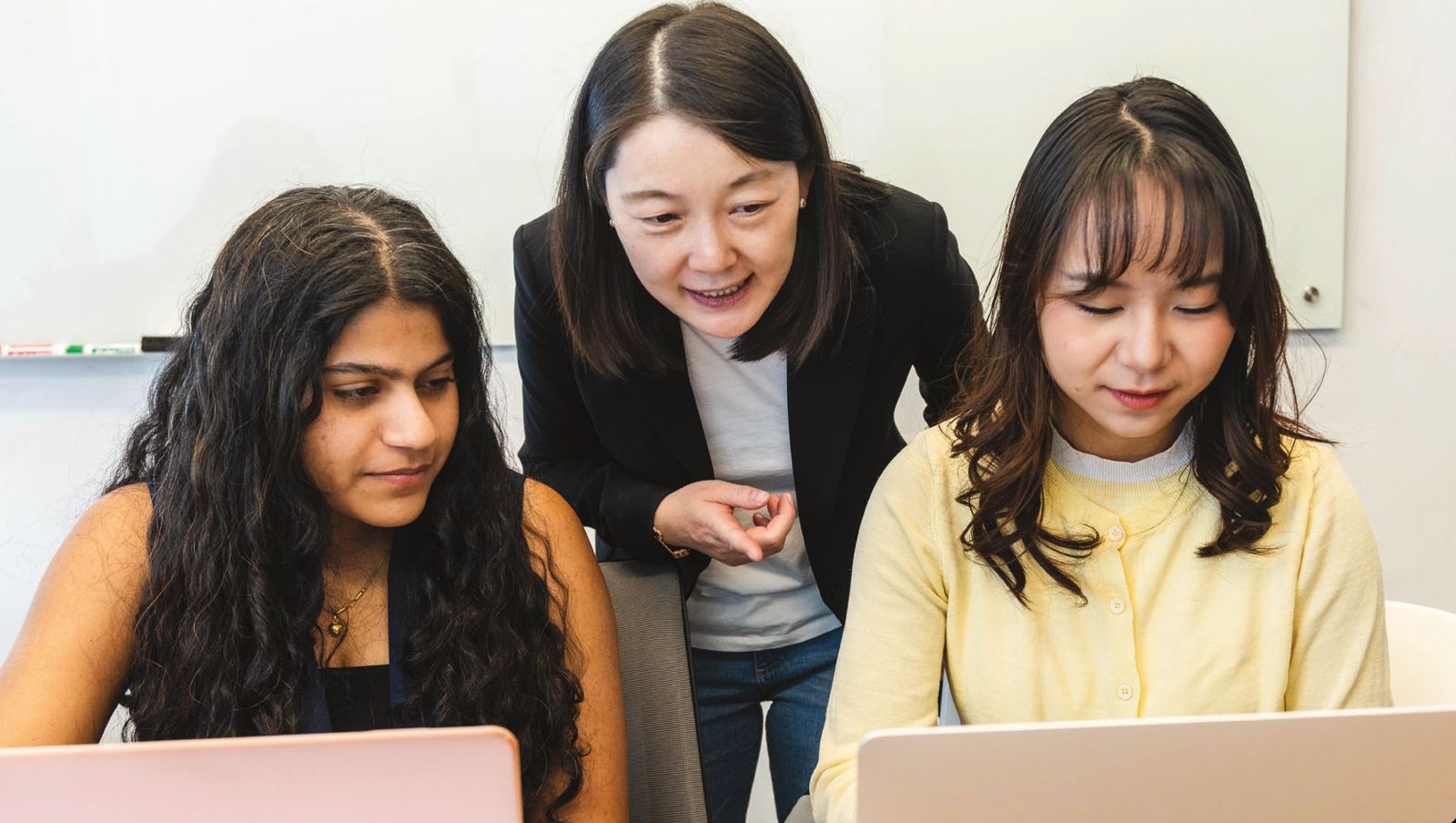
Investing in Discovery
Alumni-funded Rossin Research Innovation Grants give faculty the resources needed to transform bold ideas into competitive research proposals

Engineering on Tap
A new course built around brewing, winemaking, and distilling gives students a practical lesson in process design and plenty of room to experiment

Wired for change
Electrical engineering alumna reflects on AI’s future, the networks behind it, and the mindset needed to lead through rapid change